Explore all experiences
Women's Health

A Whole-Person Approach to Pelvic Health

Pelvic experience is connected with breathing, hips, abdomen, spine, movement, pain, life stages, and personal history. Wild Hart's role is supportive and non-diagnostic, with external bodywork adapted to consent, scope, and collaboration with pelvic-health or medical professionals when appropriate.

Primary PATH
Attune
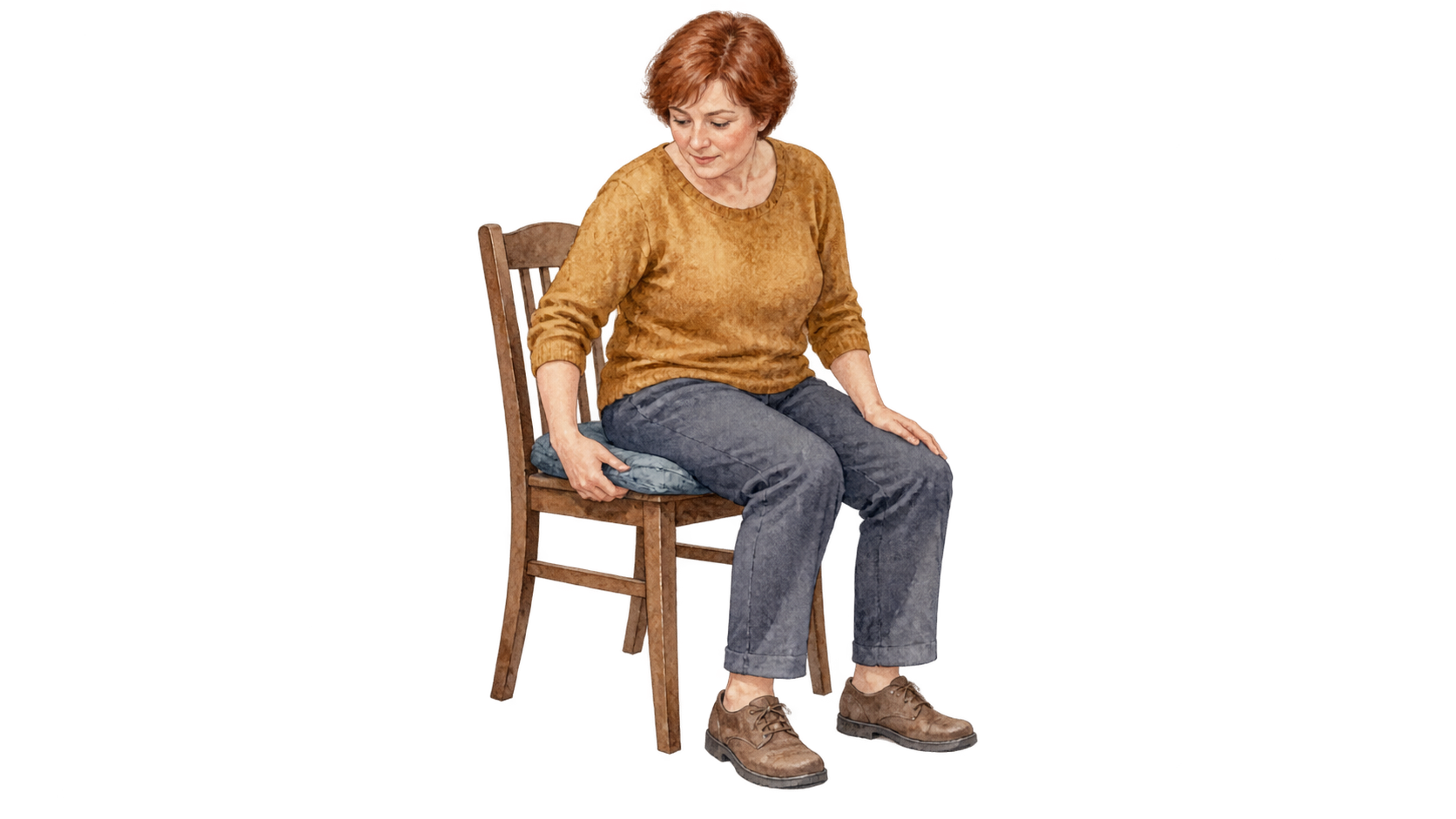
A seated adult adjusts a cushion beneath them, with both feet on the floor.
Understanding

Understanding this experience

Pelvic health belongs within a whole life, not only an anatomical region or health label. Comfort, identity, work, relationships, medical care, and changing capacity may all be relevant.

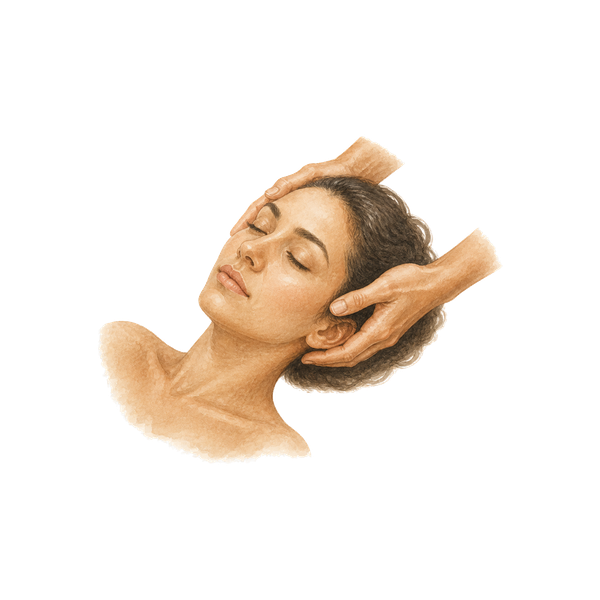
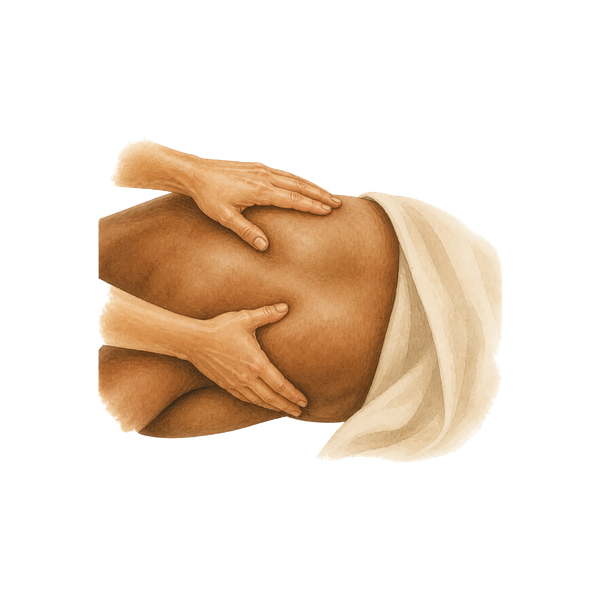
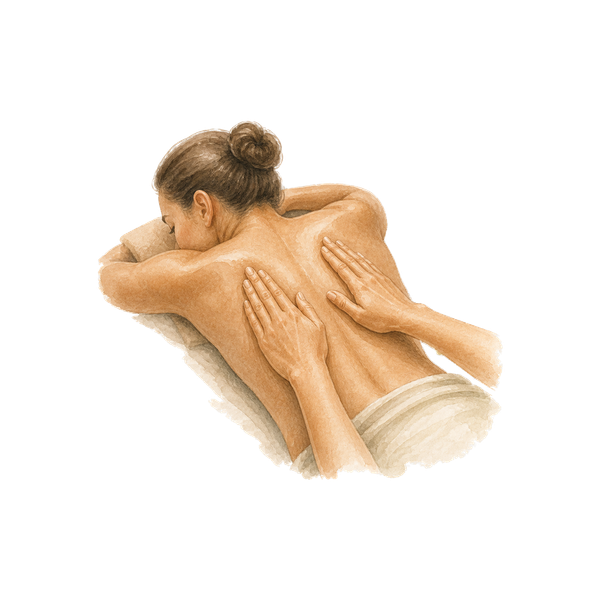
Whole-person bodywork supporting comfort, awareness, mobility, and pelvic wellbeing.
Recognition

You may recognize some of this.

  • Pelvic discomfort affects movement or rest
  • The hips, abdomen, or back feel connected to the pattern
  • You want bodywork that respects privacy and clinical boundaries
Ways to begin

Sessions to explore

A few ways to begin. Your session can be adapted around what matters to you.

Related techniques

Techniques that may support this care

Our approach

Care shaped around you

Our approach to pelvic health is person-first, consent-centered, and precise about both anatomy and limits. We listen before choosing techniques and collaborate with other qualified care when needs extend beyond massage therapy.

Possibility

How bodywork may help

Bodywork may support comfort, rest, mobility, and bodily awareness within the broader experience of pelvic health. Care is adapted to current health guidance, consent, scope, and any other professionals involved.

Together

What we might explore

  • Current comfort, mobility, rest, and bodily awareness
  • How life stage, medical care, work, and relationships shape the experience
  • Consent, positioning, and the forms of touch appropriate to scope
Before we begin

Important considerations

Wild Hart does not provide internal pelvic-floor treatment. Pelvic pain, bleeding, neurological changes, or other concerning symptoms require appropriate medical or pelvic-health evaluation.