Explore all experiences
Pain & Recovery

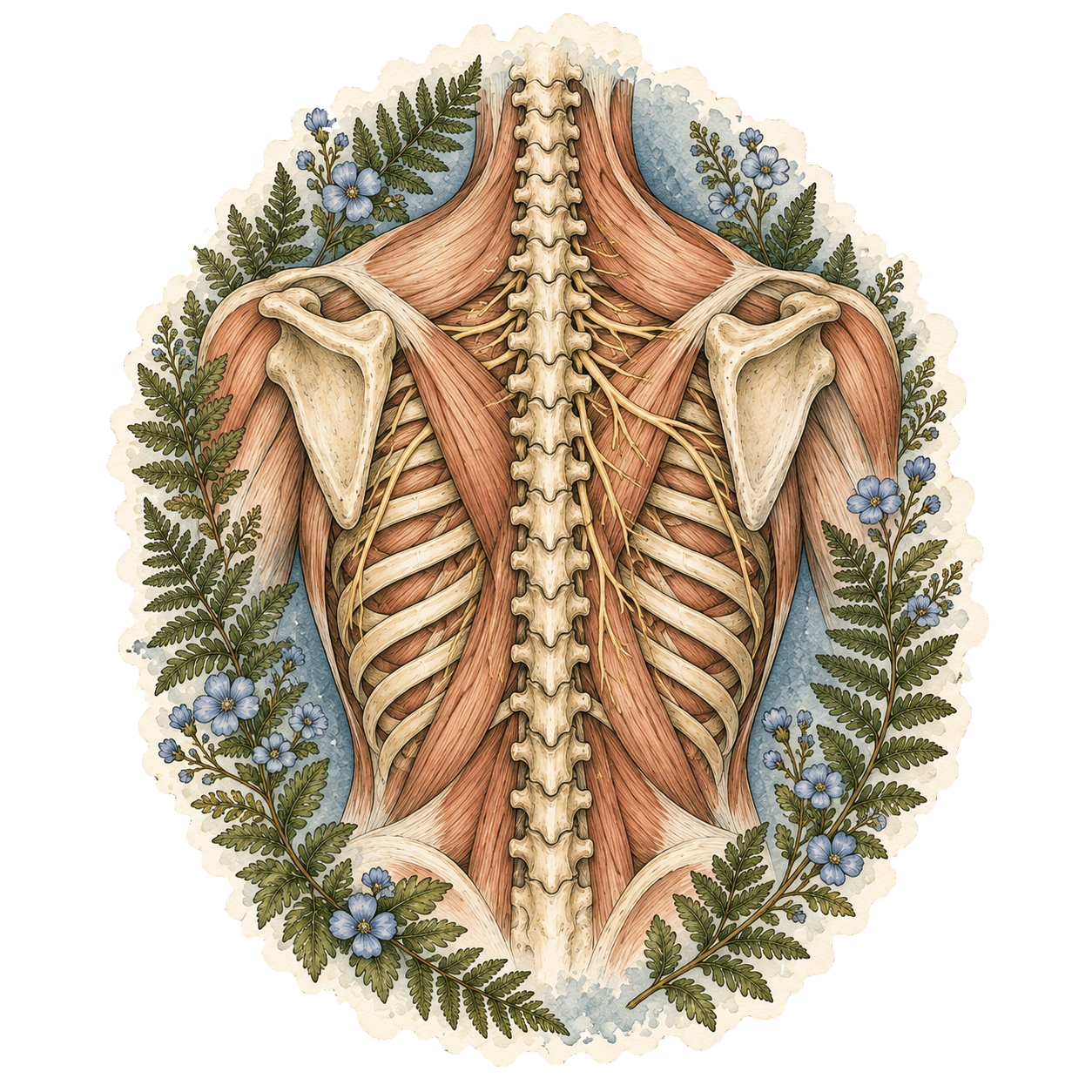
Living with Back Pain

Back pain can affect how you sit, work, sleep, lift, exercise, and trust ordinary movement. A useful starting point is to understand the pattern in context and build care around your priorities and response.

Primary PATH
Tend
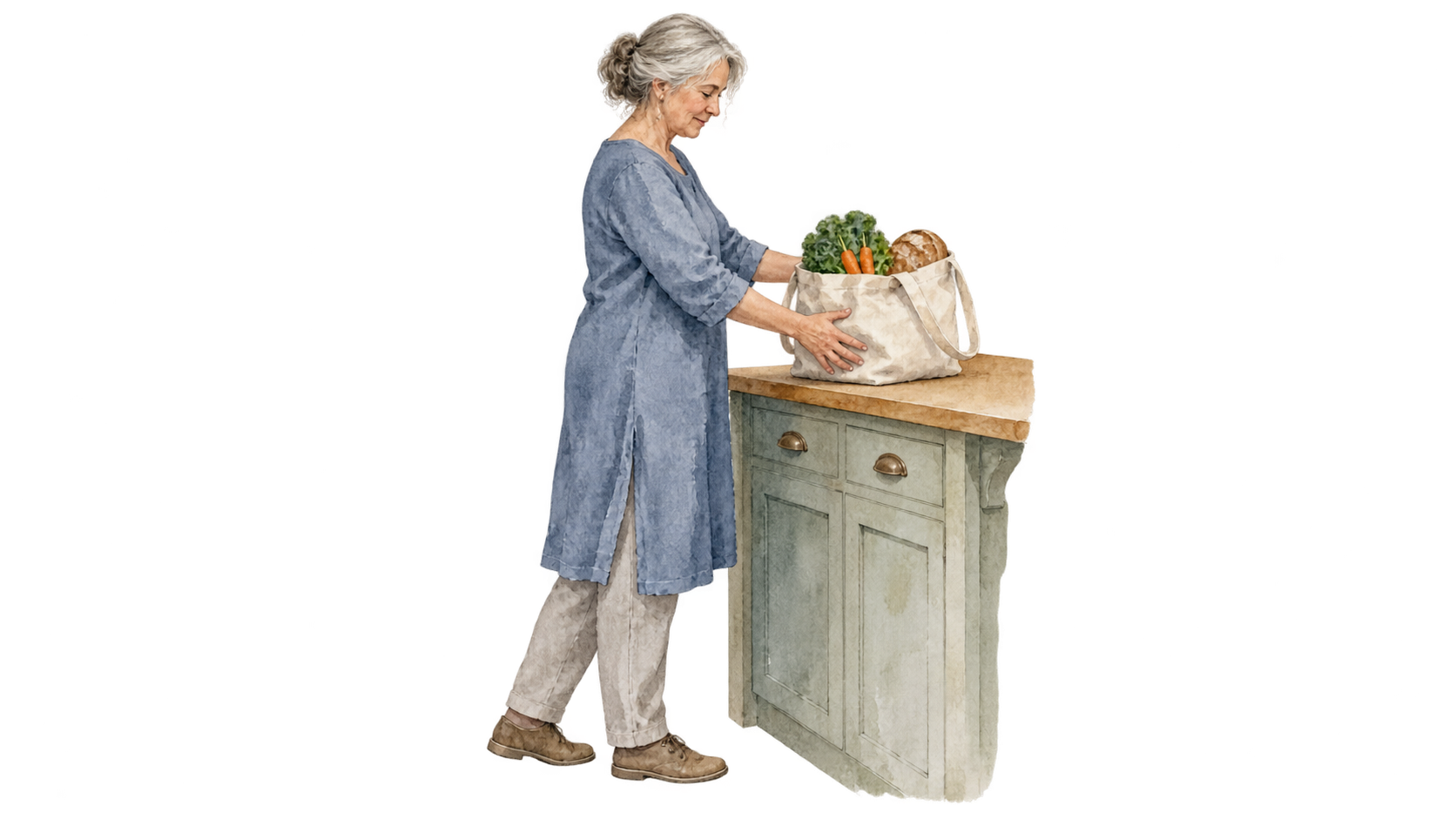
An adult sets a bag of groceries on a waist-height counter.
Understanding

Understanding this experience

Back pain is shaped by more than one structure or moment. Work, rest, movement, history, stress, and the wider care context may all influence how the experience changes.

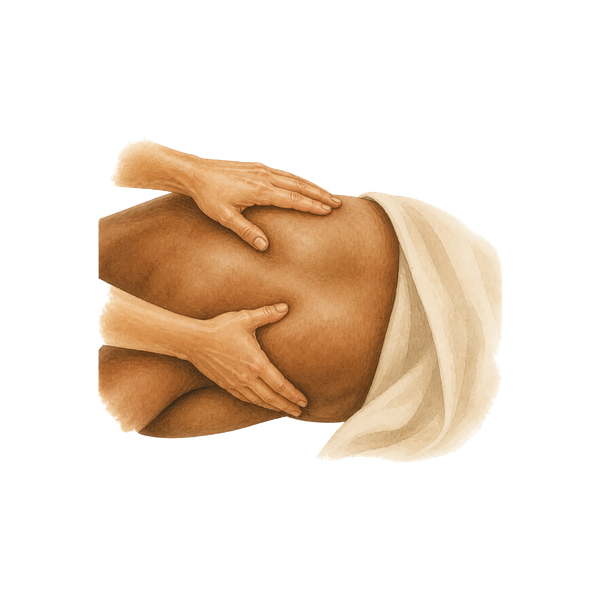
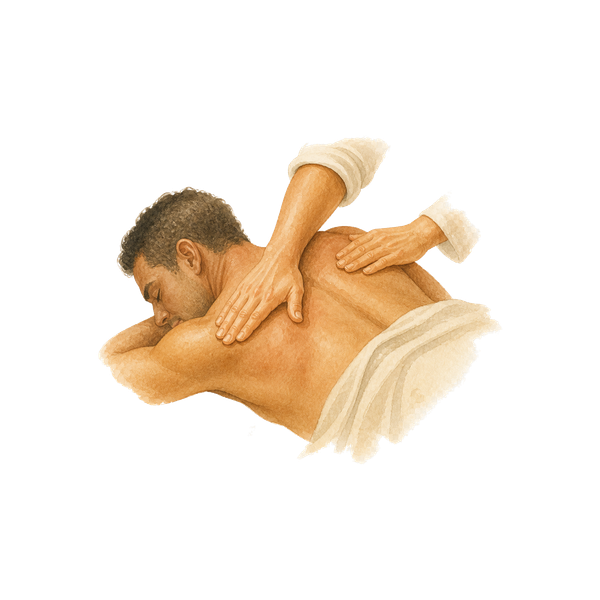
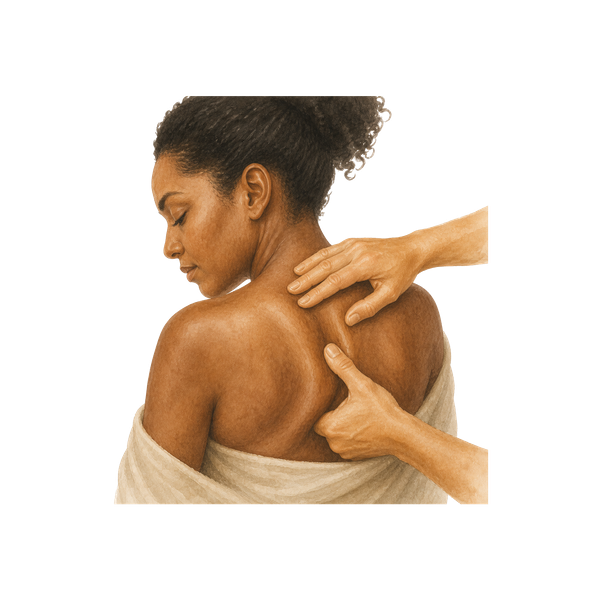
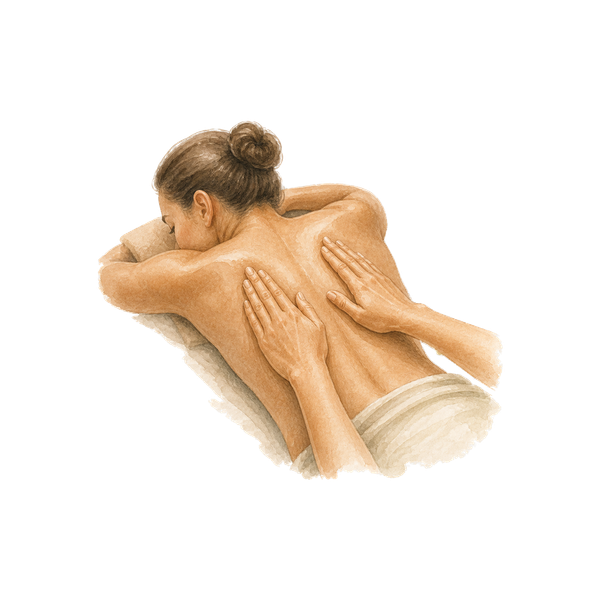
Collaborative bodywork for back discomfort, tension, movement, and everyday function.
Recognition

You may recognize some of this.

  • Everyday movement requires extra planning
  • Certain positions feel guarded or tiring
  • You want to move with more confidence, not fear
Ways to begin

Sessions to explore

A few ways to begin. Your session can be adapted around what matters to you.

Related techniques

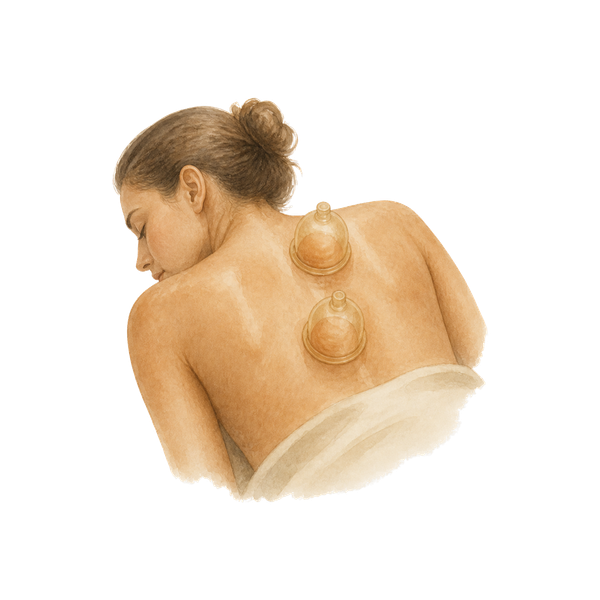
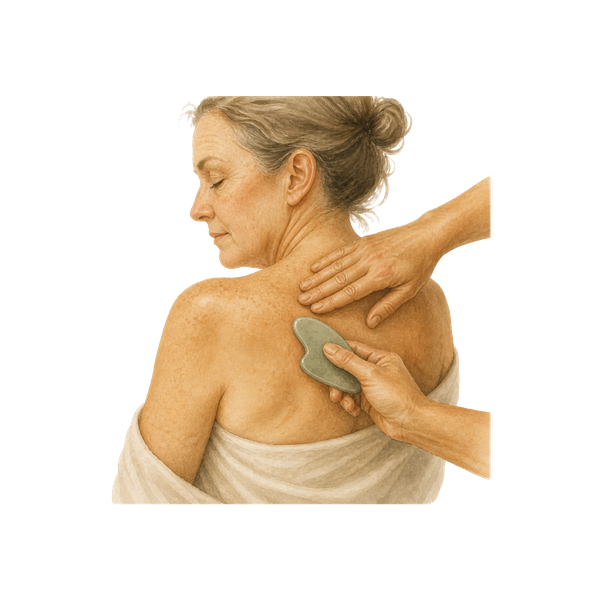
Techniques that may support this care

Our approach

Care shaped around you

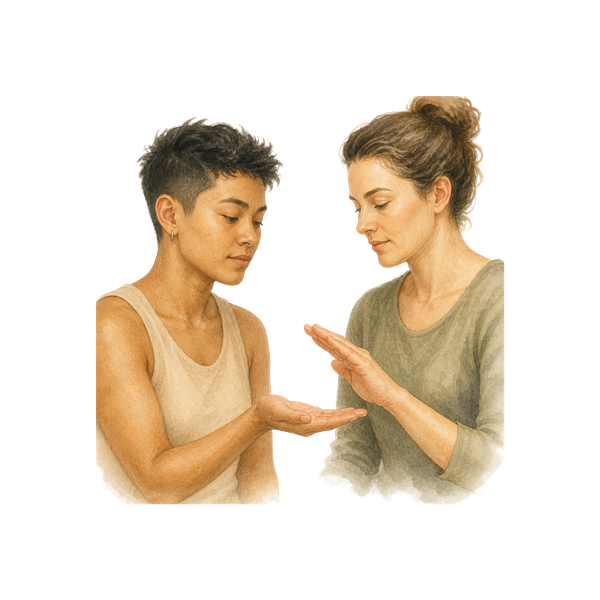
With back pain, we begin by listening to how the experience affects daily life and what has already helped or complicated it. Care is paced collaboratively, with respect for protective responses and the person's own knowledge.

Possibility

How bodywork may help

Bodywork may provide time to explore comfort, guarding, movement, and the relationships surrounding back pain. The direction is adapted through communication and response rather than built around a promise to remove pain.

Together

What we might explore

  • How discomfort changes across positions, activities, and rest
  • Protective tension and the regions working around it
  • Touch or movement options that feel useful without forcing change
Before we begin

Important considerations

New severe pain, trauma, weakness, numbness, bowel or bladder changes, or other concerning symptoms require prompt medical evaluation.