Manual Therapy

Trigger Point Therapy

A focused technique addressing localized muscle tension through sustained pressure.

A targeted approach working with specific areas of muscular holding.

Browse all techniques
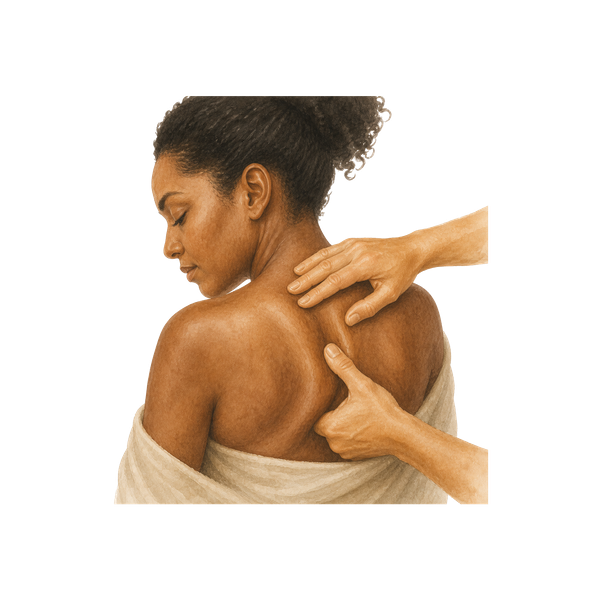
Massage therapist applying focused trigger point work during a calm bodywork session.

One tool within an individualized session.

What is trigger point therapy?

Trigger point therapy is a term used for focused work around areas of tenderness or muscle tension. The definition and mechanisms of trigger points remain debated; one tender area should not be treated as a certain explanation for a person’s pain.

Focused pressure is introduced gradually and adjusted through feedback. Intensity is not the objective, and you can request a change or stop the approach.
From technique to session

Sessions to explore

A few ways this approach could fit your care. These sessions are starting points, and techniques can be considered across any session. Together, we choose what fits your preferences, your needs that day, and your practitioner’s training.

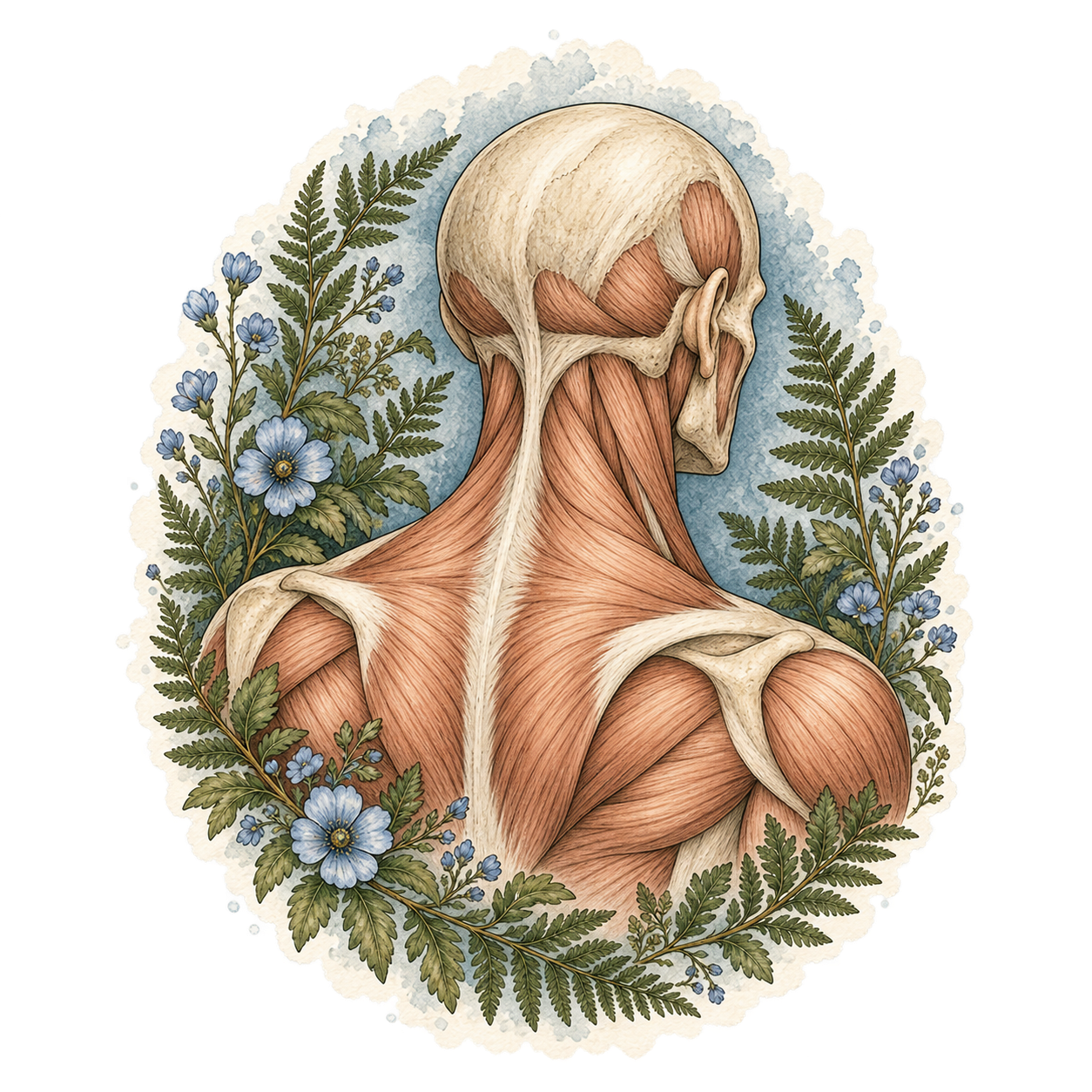
Watercolor illustration of the head, neck, and shoulder muscles with blue flowers and ferns

Tend

Head, Neck & Shoulder Care

Focused care for tension around the head, neck, shoulders, and upper back. Detailed bodywork and comfortable movement, shaped around the areas that need attention.

$150

60 min

$225

90 min

$300

120 min

$450

180 min

Watercolor illustration of a forearm and open hand supported by a practitioner's hand, with blue flowers and ferns

Tend

Focused Therapeutic Bodywork

Focused massage for muscle tension, stiffness, and the demands of everyday activity. Choose the areas that need attention, with pressure and movement shaped around you.

$150

60 min

$225

90 min

$300

120 min

$450

180 min

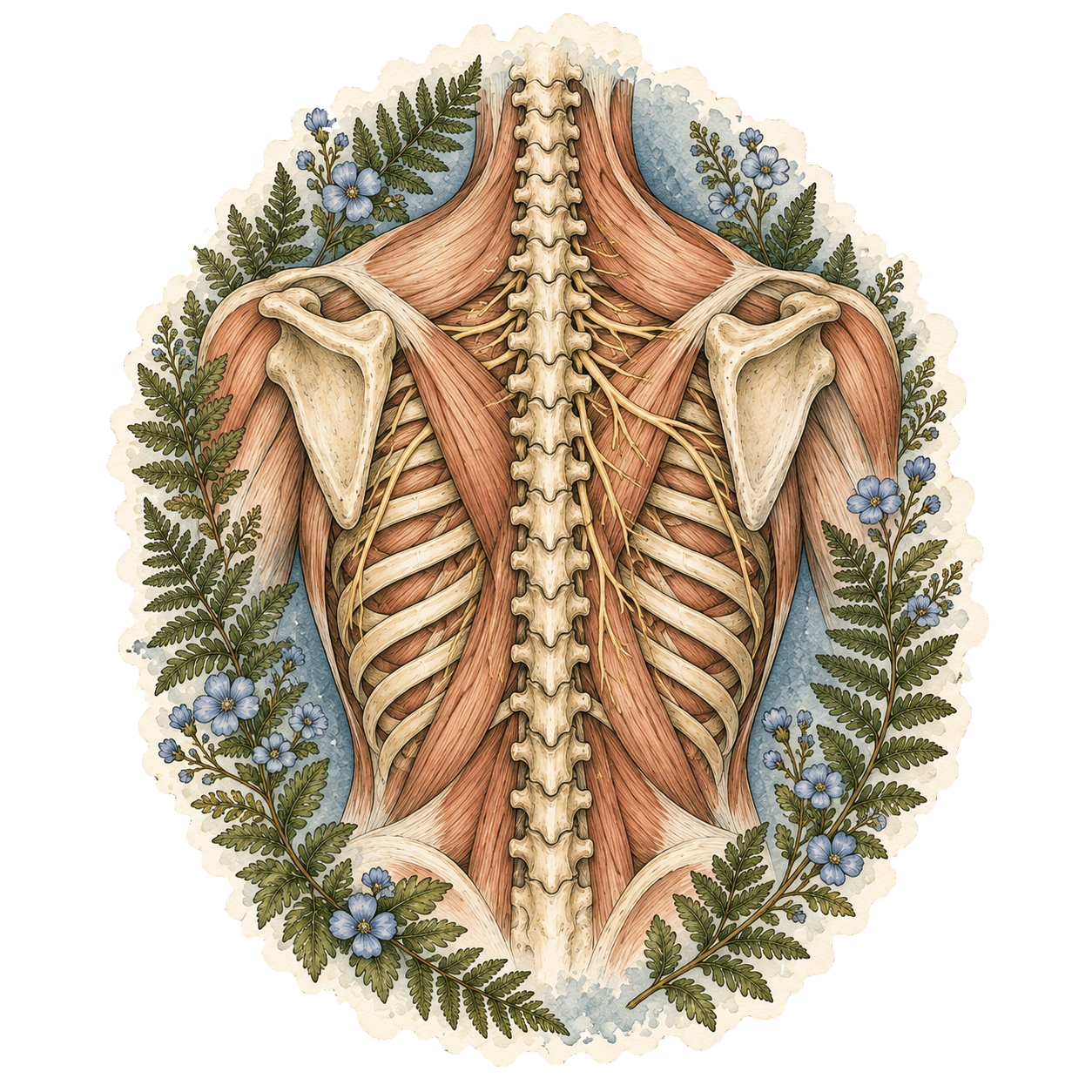
Watercolor and ink illustration of the spine, ribs, and back muscles framed by ferns and blue flowers.

Tend

Persistent Pain Support

Adaptable bodywork for ongoing or recurring pain, with pressure, positioning, and pace shaped around how you feel today and what you have learned about yourself.

$150

60 min

$225

90 min

$300

120 min

$450

180 min

A closer look

Receiving this approach.

How it may be used

Trigger point techniques are used selectively within massage sessions based on assessment and client feedback. Pressure is applied gradually and released intentionally, often combined with broader techniques to support circulation and integration.

Focused work is typically paired with slower pacing and supportive transitions to reduce guarding and help the body absorb change.

What to expect

Sessions that include trigger point work may involve focused pressure followed by release. Sensations can feel intense but remain adjustable, with pacing guided by communication and comfort.

Clients are encouraged to share feedback throughout. The work is always modified in real time to stay within a therapeutic range.

Who it may support

Trigger point techniques may be helpful for people experiencing localized muscle tension, postural strain, or discomfort related to repetitive use or physical demands.

It can also be supportive when symptoms feel “referred,” such as discomfort that shows up away from the primary area of tension.

Thoughtful care

Care, context & considerations.

Safety & When to Pause

Focused pressure is avoided over acute injury, inflammation, infection, suspected blood clot, unhealed wounds, fragile tissue, or areas with impaired sensation. Blood-thinning medication, easy bruising, and neurological symptoms may require modification or medical guidance.

When symptoms are new, severe, unexplained, or changing quickly, medical evaluation comes before massage.

Scope & Evidence

Trigger points are a clinical concept with ongoing debate about definition and mechanism. Wild Hart may use focused pressure based on comfort and response without claiming that one spot is the sole cause of pain or that pressure permanently removes it.

Wild Hart uses this technique only within current training, legal scope, informed consent, and the needs of the session.