Manual Therapy

Gua Sha

A manual technique using a smooth-edged tool and controlled pressure along the skin and superficial tissues.

A manual technique using smooth-edged tools to work with the skin and superficial tissues.

Browse all techniques
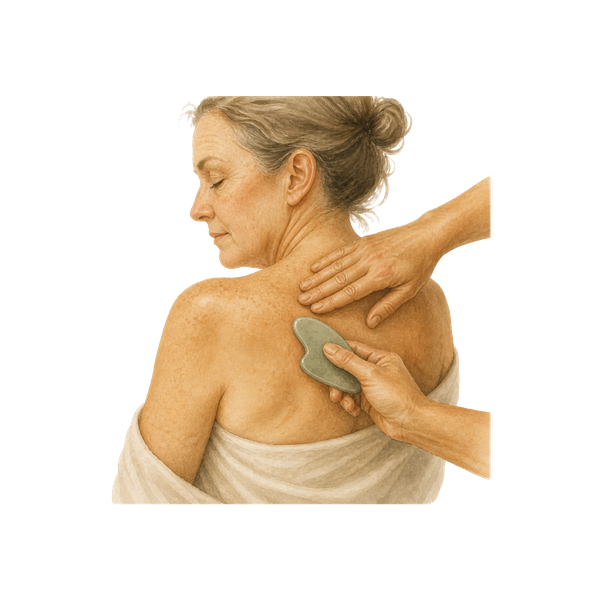
Massage therapist using a copper gua sha tool during a therapeutic bodywork session.

One tool within an individualized session.

What is gua sha?

Gua sha uses a smooth-edged tool to apply controlled contact along the skin. Methods and pressure vary, so the proposed approach should be explained before it begins.

Visible skin changes can occur and should be discussed in advance. Marks are not a goal or proof of effectiveness, and the work does not come with a promise to remove toxins, adhesions, or disease.
From technique to session

Sessions to explore

A few ways this approach could fit your care. These sessions are starting points, and techniques can be considered across any session. Together, we choose what fits your preferences, your needs that day, and your practitioner’s training.

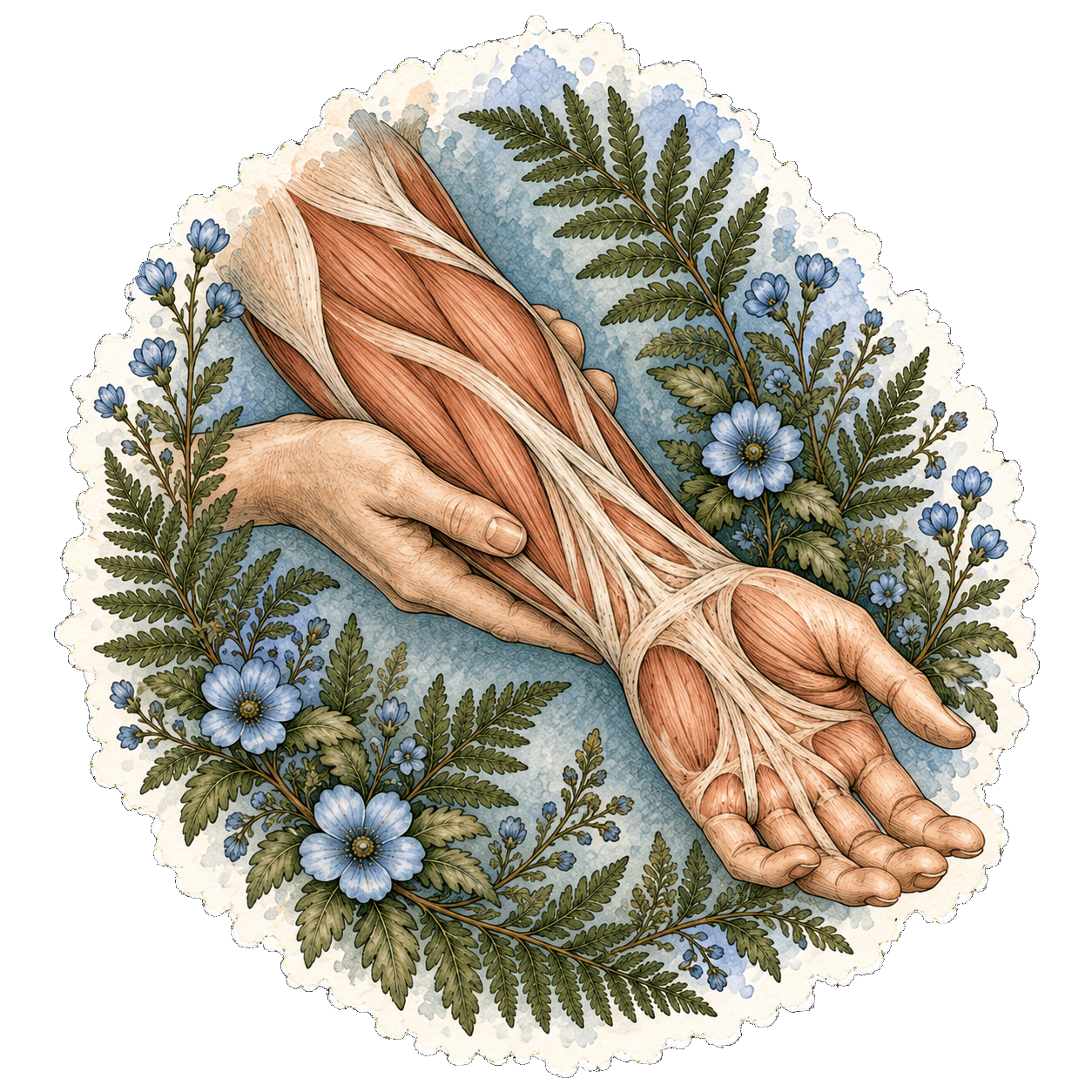
Watercolor illustration of a forearm and open hand supported by a practitioner's hand, with blue flowers and ferns

Tend

Focused Therapeutic Bodywork

Focused massage for muscle tension, stiffness, and the demands of everyday activity. Choose the areas that need attention, with pressure and movement shaped around you.

$150

60 min

$225

90 min

$300

120 min

$450

180 min

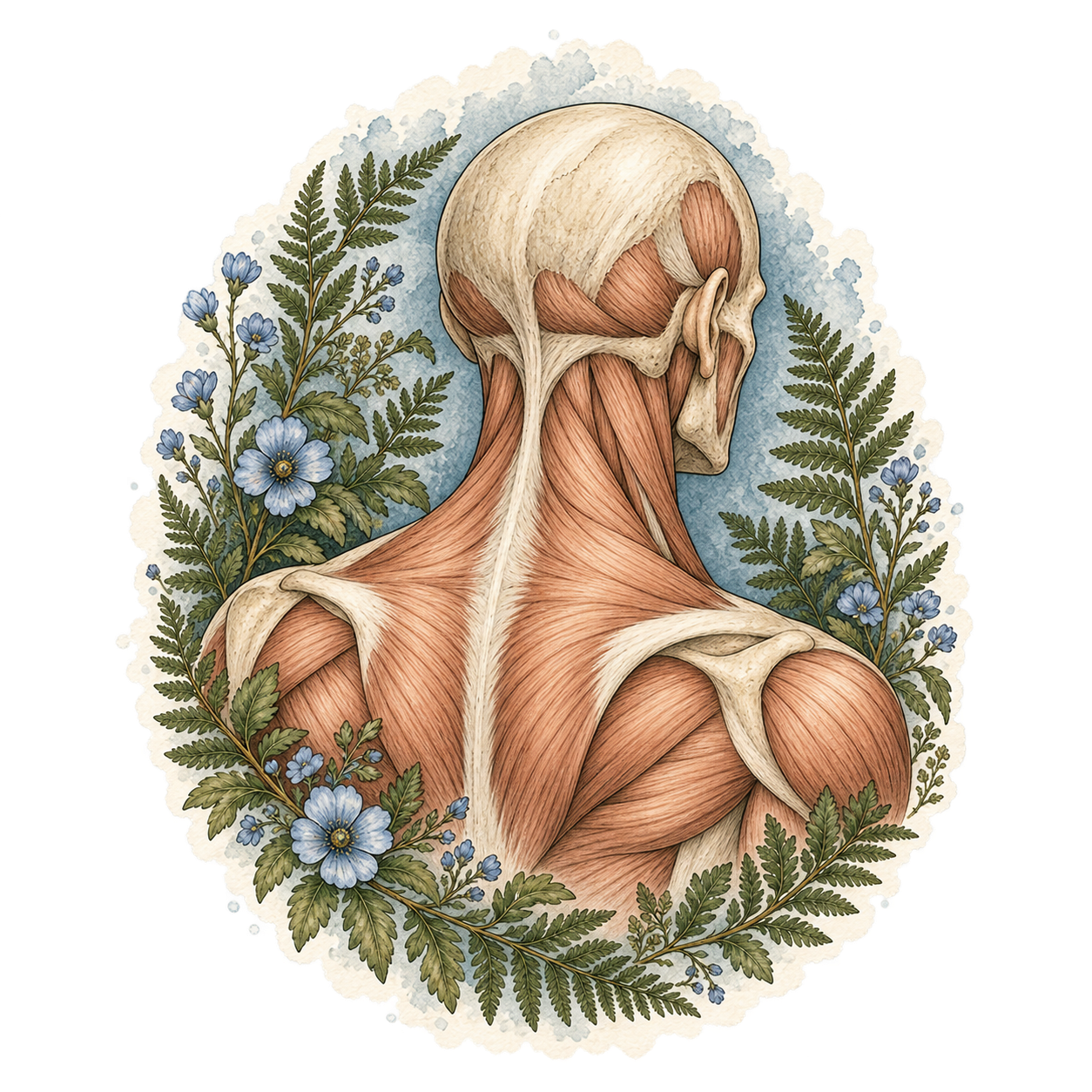
Watercolor illustration of the head, neck, and shoulder muscles with blue flowers and ferns

Tend

Head, Neck & Shoulder Care

Focused care for tension around the head, neck, shoulders, and upper back. Detailed bodywork and comfortable movement, shaped around the areas that need attention.

$150

60 min

$225

90 min

$300

120 min

$450

180 min

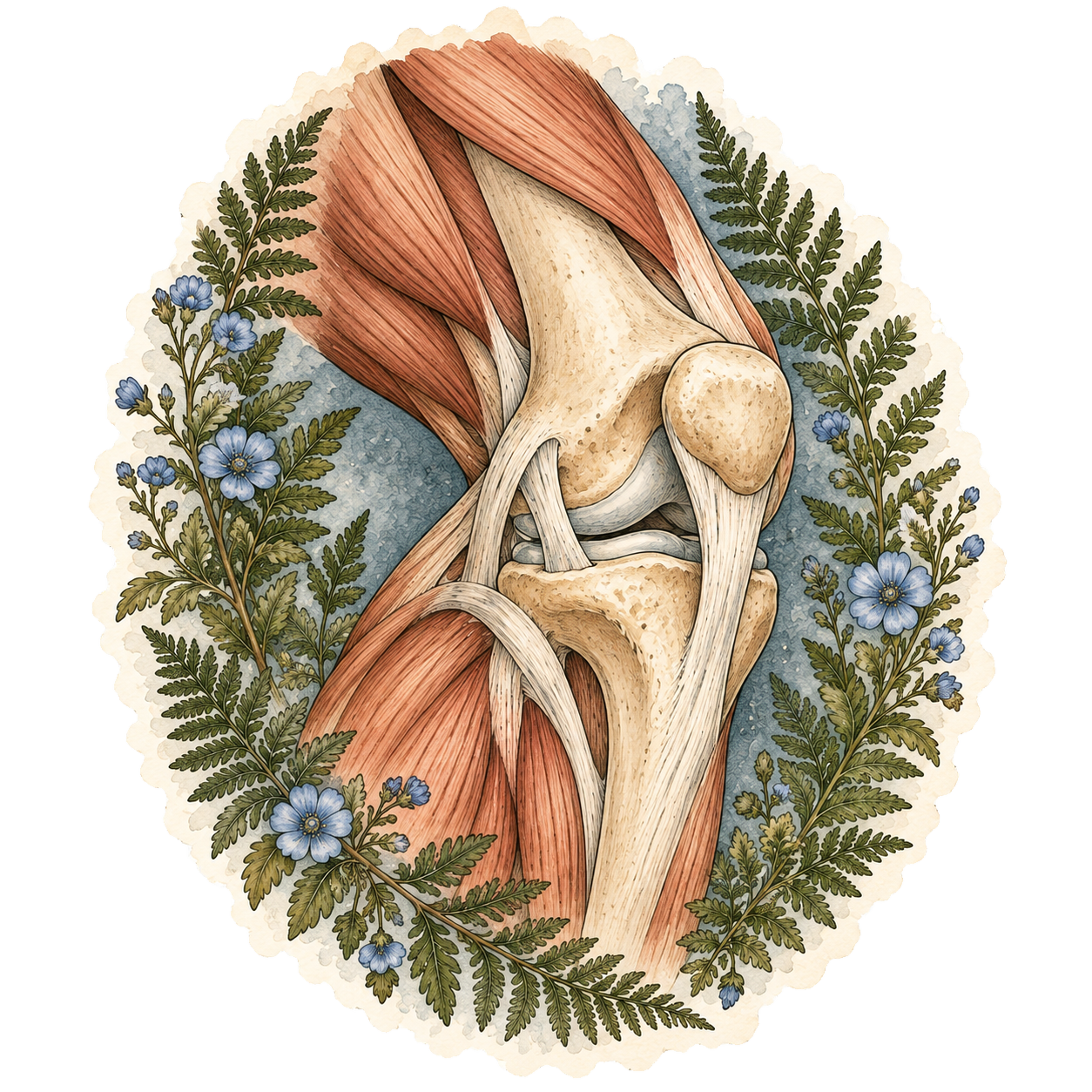
Watercolor and ink illustration of a knee joint, supporting tendons, and leg muscles framed by ferns and blue flowers.

Tend

Injury Recovery Support

Bodywork adapted to your stage of injury recovery, with attention to current limitations, surrounding areas, and the demands of returning to activities that matter to you.

$150

60 min

$225

90 min

$300

120 min

$450

180 min

A closer look

Receiving this approach.

How it may be used

Gua sha is not offered as a standalone service. Instead, it may be integrated into a massage session when appropriate, often alongside hands-on techniques that support deeper or surrounding tissues.

Tools are selected and pressure is adjusted based on the area being addressed and client comfort. Gua sha may be used to prepare tissue, support release, or complement other forms of bodywork already being used in the session.

What to expect

Sessions that include gua sha techniques may involve sensations of scraping, warmth, or increased sensitivity in the treated area. Pressure remains adjustable, and the work is paced carefully to avoid overwhelm.

Any visible skin response is discussed in advance. As with all techniques, communication is encouraged and the approach is adapted based on comfort and feedback.

Who it may support

Gua sha techniques may be helpful for people experiencing surface-level tension, restricted movement near joints, or areas that feel resistant to hands-only approaches.

It can also be supportive for those interested in traditional techniques that emphasize circulation and tissue responsiveness, when used within a therapeutic and consent-based setting.

Thoughtful care

Care, context & considerations.

Safety & When to Pause

Gua sha can produce temporary redness or small areas of bruising. It is avoided over broken or irritated skin, active infection, acute injury, or suspected blood clot, and used cautiously with blood-thinning medication, bleeding disorders, fragile skin, impaired sensation, or recent surgery.

When symptoms are new, severe, unexplained, or changing quickly, medical evaluation comes before massage.

Scope & Evidence

Gua sha is used as a tool-assisted massage technique. Wild Hart does not present visible marks as proof of effectiveness or claim that the tool releases toxins, removes adhesions, or treats disease.

Wild Hart uses this technique only within current training, legal scope, informed consent, and the needs of the session.