
Manual Therapy

Swedish Massage

An adaptable massage approach using gliding, kneading, and rhythmic strokes with attention to pace and comfort.

Flowing, rhythmic massage adapted to your pace and preferences.

Browse all techniques
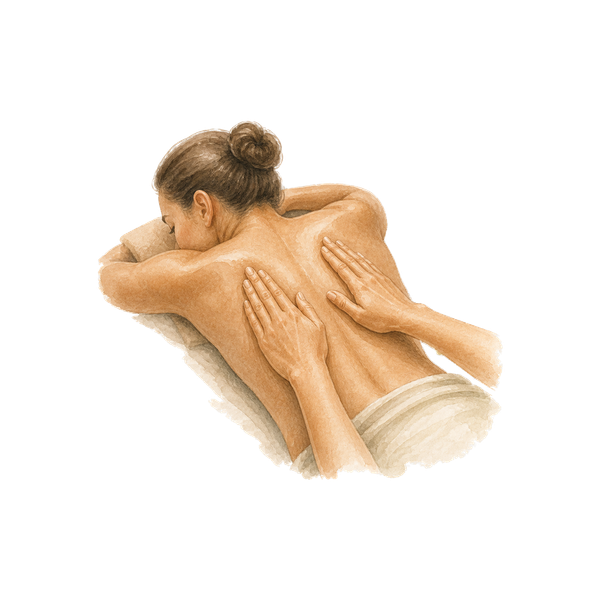
Massage therapist providing Swedish massage with long, flowing strokes in a calm studio.

One tool within an individualized session.

What is Swedish massage?

Swedish massage is a broad style of hands-on work involving gliding, kneading, and other strokes. The amount of pressure, pace, and area of focus can vary.

People may seek it for a restful session or because they prefer continuous, flowing contact. Individual response varies, and no particular feeling or result is required.


From technique to session

Sessions to explore

A few ways this approach could fit your care. These sessions are starting points, and techniques can be considered across any session. Together, we choose what fits your preferences, your needs that day, and your practitioner’s training.

Pause botanical illustration for Restorative Flow

Pause

Restorative Flow

An unhurried, flowing massage with broad contact and connected strokes. Pressure and pace are shaped around you, with oil or lotion supporting a continuous, restful experience.

$150

60 min

$225

90 min

$300

120 min

$450

180 min

Attune botanical illustration for The Receiving Session

Attune

The Receiving Session

An unhurried, flowing session centered on receiving care and attention. Make room for what you enjoy, without feeling responsible for conversation or anyone else’s comfort.

$225

90 min

$300

120 min

$450

180 min

Hold botanical illustration for Care for the Caregiver

Hold

Care for the Caregiver

Bodywork for the person providing care, with attention to physical demands and time to rest from constant attentiveness. Your comfort becomes the focus.

$150

60 min

$225

90 min

$300

120 min

$450

180 min

A closer look

Receiving this approach.

How it may be used

Swedish massage is not treated as a fixed or standalone service. Instead, elements of Swedish technique may be incorporated into a massage session based on comfort level, goals, and the overall structure of the work.

These techniques are often used to warm tissues, support nervous system settling, or provide continuity between more focused areas of treatment. Pressure and pacing are always adjusted through communication and consent.

What to expect

Swedish techniques often involve broad, continuous strokes and rhythmic contact. Pressure and pace remain adjustable.

They may form much of a session or be combined with other approaches. Tell your practitioner what feels comfortable and what you would like to change.

Who it may support

Swedish massage techniques may be especially supportive for:

  • People new to massage therapy
  • Those seeking relaxation-oriented bodywork
  • Clients who prefer lighter to moderate pressure
  • Individuals experiencing general muscle tension or fatigue
  • Those looking for a calming, full-body approach

As with all techniques, use is guided by individual preference rather than a preset format.

Thoughtful care

Care, context & considerations.

Safety & When to Pause

General massage precautions include acute injury, infection, fever, suspected blood clot, unhealed wounds, recent surgery, fragile bones, and areas with impaired sensation. Pressure and position are adapted for medications, pregnancy, medical conditions, and comfort.

When symptoms are new, severe, unexplained, or changing quickly, medical evaluation comes before massage.

Scope & Evidence

Swedish massage is a broad style of massage using gliding, kneading, and related strokes. It may support relaxation or short-term comfort for some people, but it is not a promised treatment for pain, stress, circulation, or sleep.

Wild Hart uses this technique only within current training, legal scope, informed consent, and the needs of the session.