Explore all experiences
Movement & Performance

Finding Your Way Back to Movement

Returning to movement after pain, injury, illness, surgery, or a long pause may bring hope and uncertainty together. Care can support experimentation, pacing, and confidence without treating progress as a test you must pass.

Primary PATH
Tend
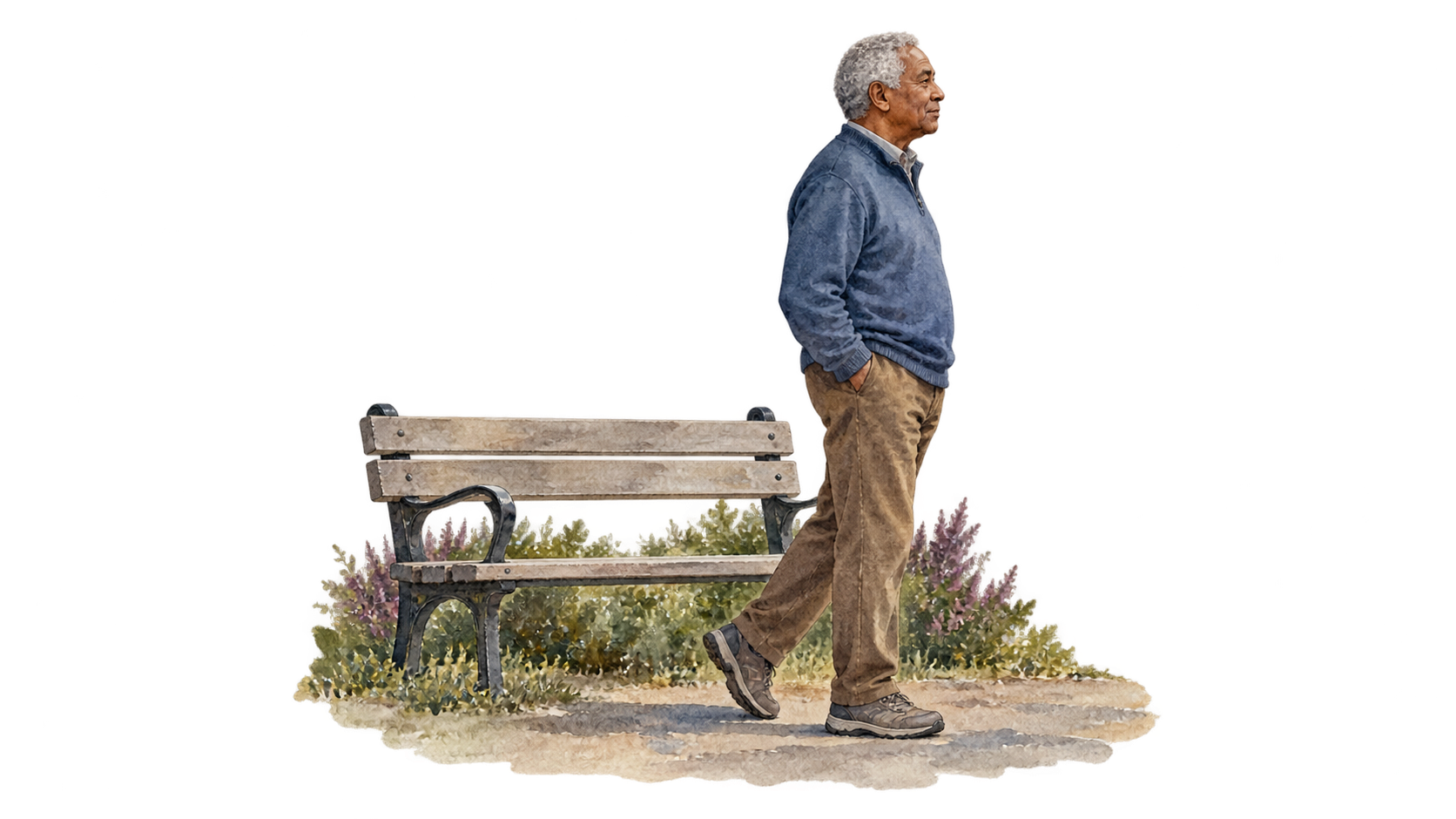
An older adult takes a step along a path beside a park bench.
Understanding

Understanding this experience

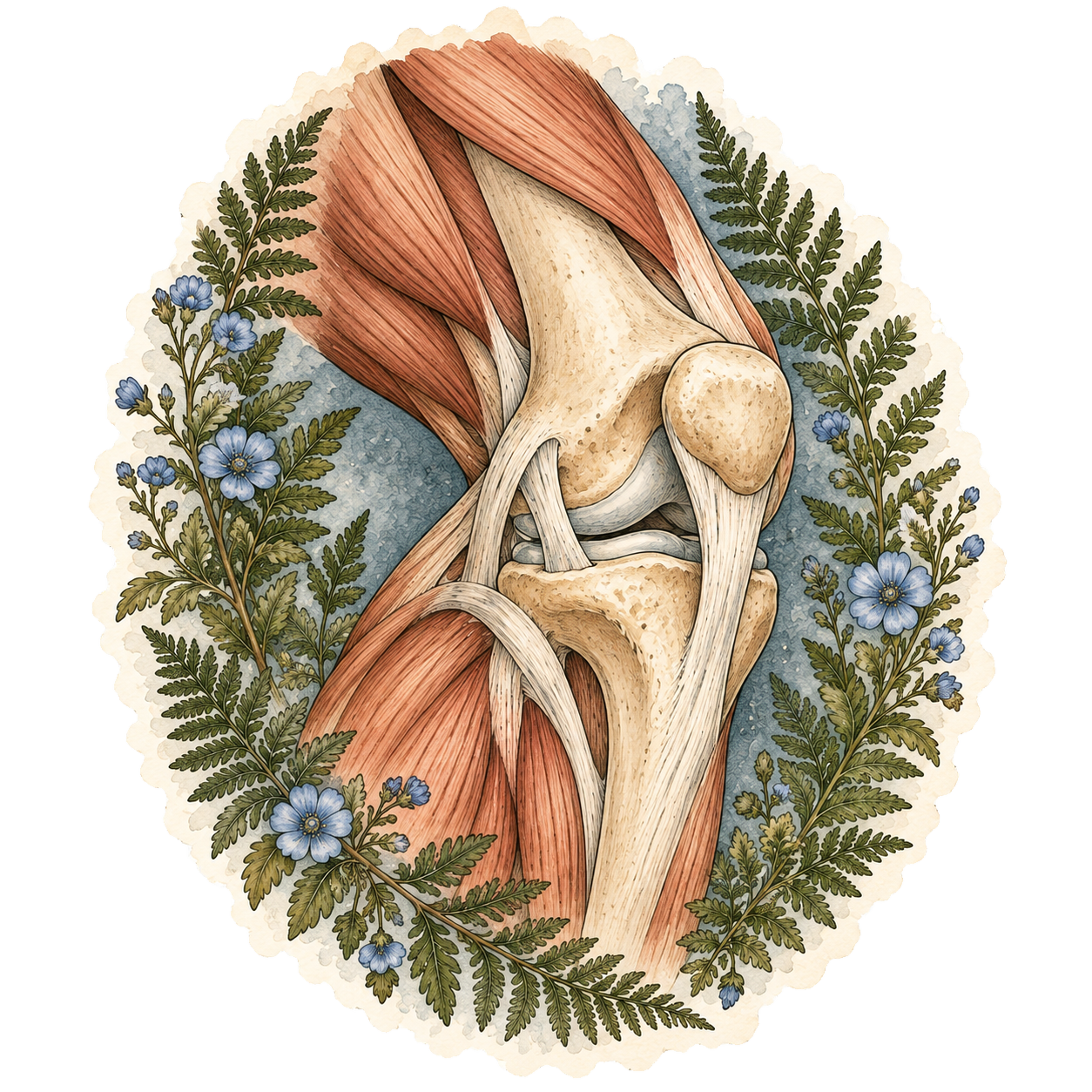
Returning to movement involves capacity, coordination, recovery, confidence, and the meaning movement holds in a person's life. Range or output alone never tells the whole story.

Rebuilding confidence and ease as meaningful movement returns to your life.
Recognition

You may recognize some of this.

  • You are unsure how much is enough
  • Old protective patterns appear during activity
  • The goal is meaningful participation, not perfect performance
Ways to begin

Sessions to explore

A few ways to begin. Your session can be adapted around what matters to you.

Related techniques

Techniques that may support this care

Our approach

Care shaped around you

Our approach to returning to movement values participation over optimization. We listen to goals and capacity, explore relevant relationships, and adapt the work so ambition and bodily information can remain in conversation.

Possibility

How bodywork may help

Bodywork may support comfortable movement through touch, assisted movement, awareness, and discussion of patterns that matter to you. Greater range is not automatically the goal; usefulness and confidence matter too.

Together

What we might explore

  • Comfort, control, coordination, and confidence in meaningful movement
  • Load, repetition, recovery, and changing capacity
  • Which movement or touch experiments provide useful information
Before we begin

Important considerations