Explore all experiences
Pain & Recovery

Returning After Injury

Recovery rarely follows a perfectly straight line. As tissues heal and activity changes, bodywork may offer space to notice compensation, support comfortable movement, and rebuild trust in what your body can do now.

Primary PATH
Tend
An adult places one foot on a low step while holding a handrail.
Understanding

Understanding this experience

Injury recovery is shaped by more than one structure or moment. Work, rest, movement, history, stress, and the wider care context may all influence how the experience changes.

Support as your body adapts, recovers, and returns to comfortable movement.
Recognition

You may recognize some of this.

  • Movement feels different since the injury
  • Other areas are working harder to compensate
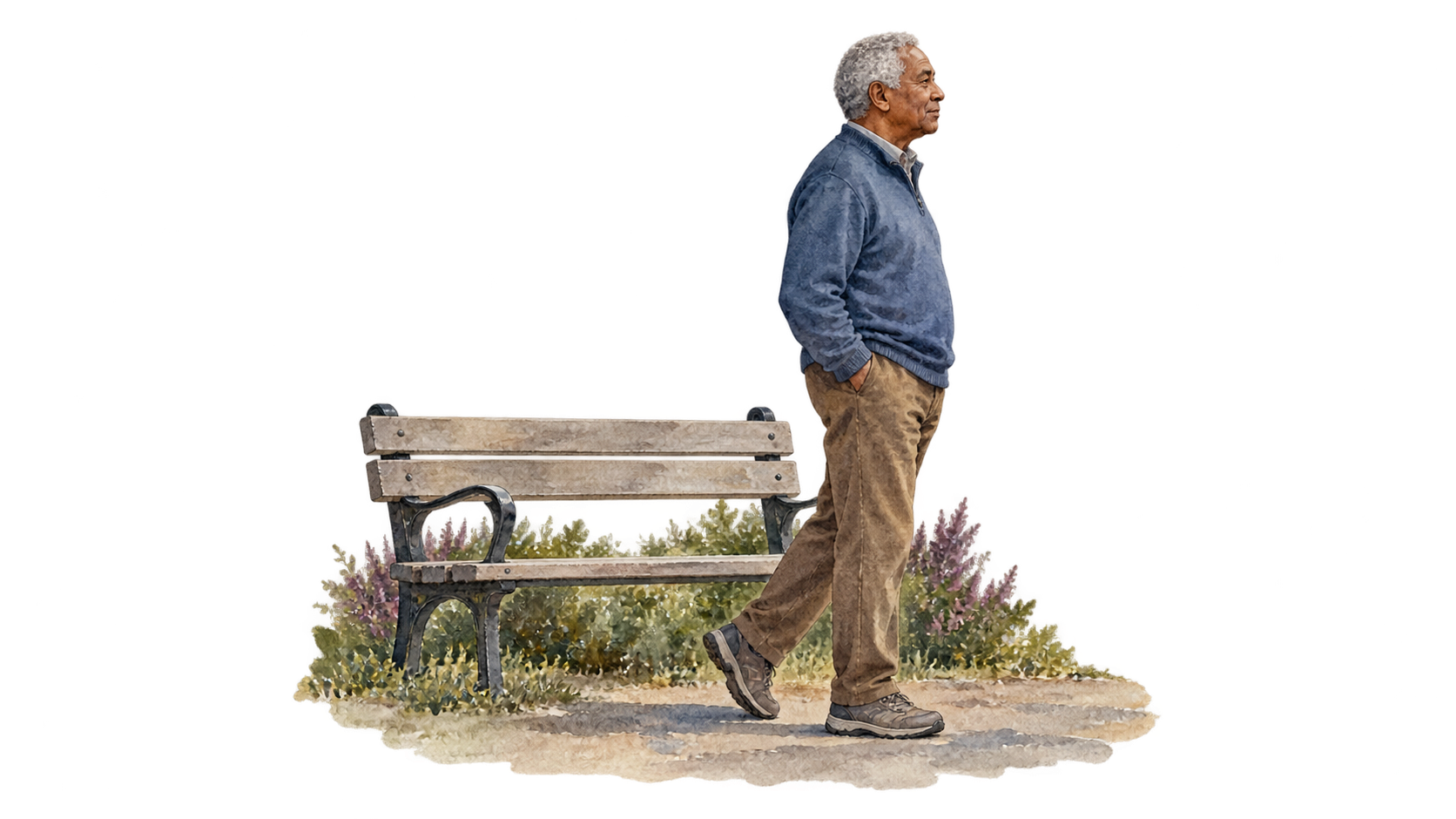
  • You are ready to explore a gradual return to activity
Ways to begin

Sessions to explore

A few ways to begin. Your session can be adapted around what matters to you.

Related techniques

Techniques that may support this care

Our approach

Care shaped around you

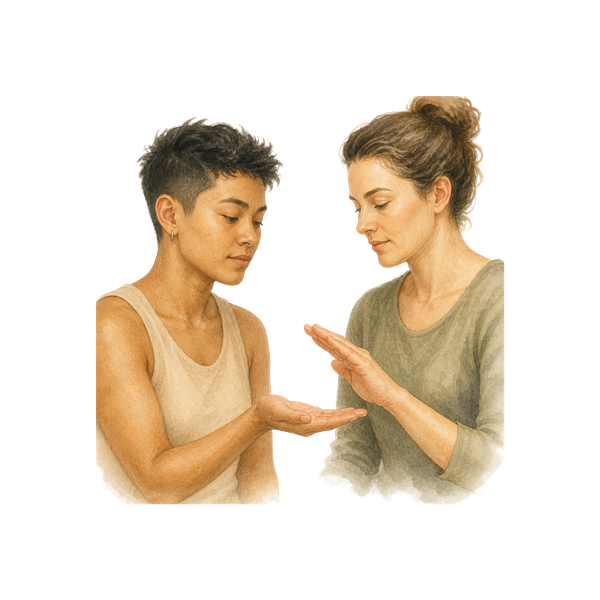
With injury recovery, we begin by listening to how the experience affects daily life and what has already helped or complicated it. Care is paced collaboratively, with respect for protective responses and the person's own knowledge.

Possibility

How bodywork may help

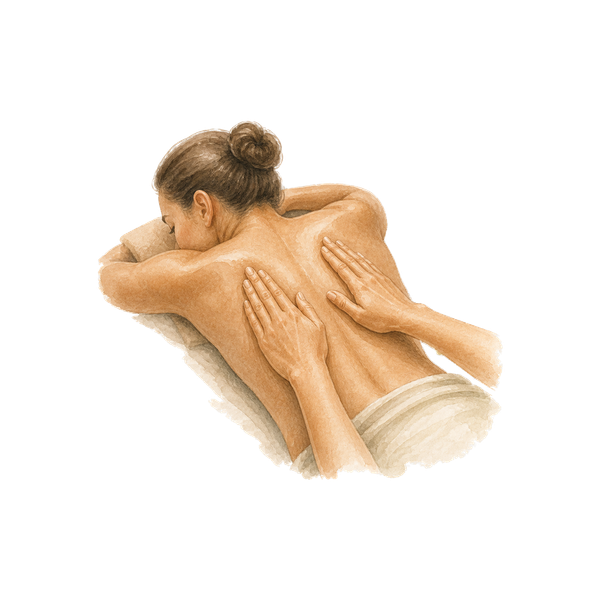
Bodywork may support recovery by offering attentive touch, movement exploration, and space to notice compensation or changing capacity. It works best as one part of a wider recovery plan when other care is needed.

Together

What we might explore

  • Current capacity and the pace of returning
  • Compensation, sensitivity, and changing movement strategies
  • How care can complement rehabilitation, training, or medical guidance
Before we begin

Important considerations

Bodywork should follow current medical guidance and the stage of healing. New, worsening, or unexplained symptoms deserve evaluation by an appropriate healthcare professional.