A hands-on technique working with the body’s connective tissue to support mobility, ease, and structural balance.
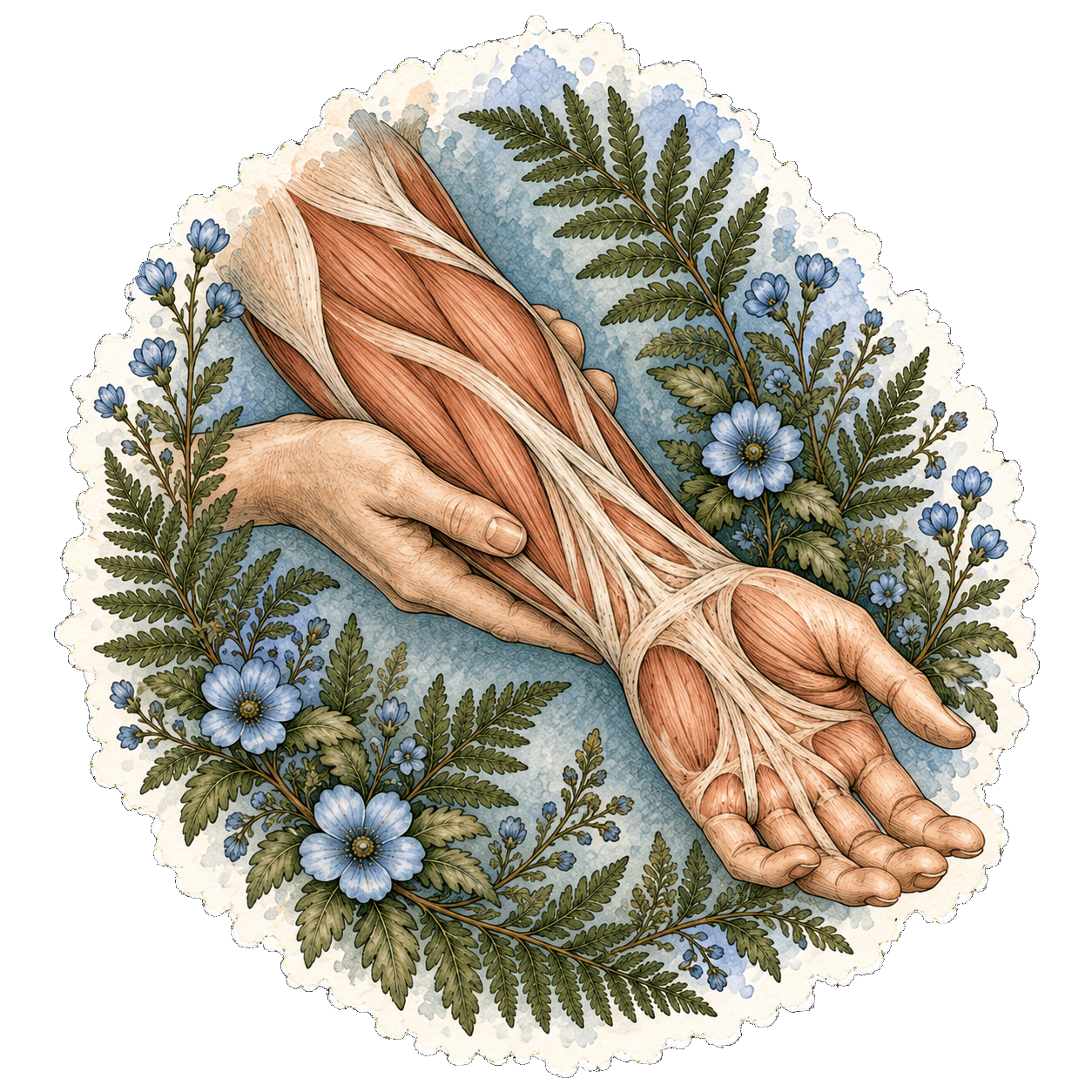
Myofascial release is a manual therapy approach that focuses on the fascia—the connective tissue that surrounds and interweaves with muscles, bones, and organs. At Wild Hart Massage in Portland, myofascial techniques may be incorporated into therapeutic massage sessions to address areas of restriction, tension, and limited movement. This work emphasizes sustained pressure, careful pacing, and responsiveness rather than force or rapid manipulation.

Myofascial release involves working directly with the fascial system, which plays a key role in posture, movement, and overall structural integrity. Fascia can become restricted due to injury, stress, repetitive use, or prolonged holding patterns, sometimes contributing to discomfort or reduced mobility.
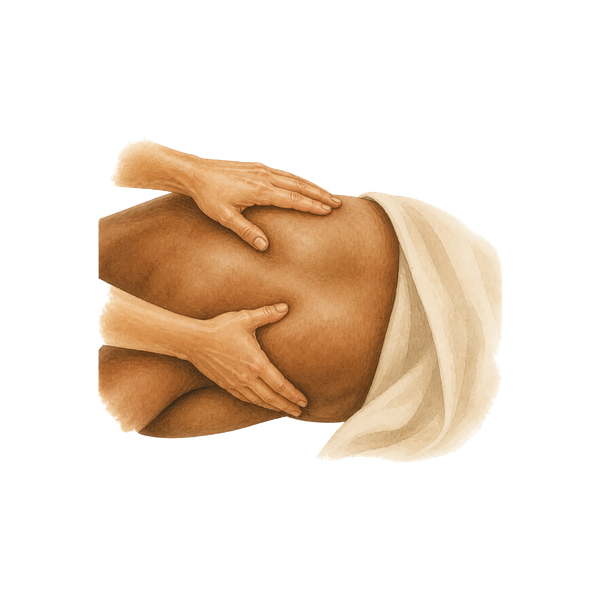
Unlike techniques that rely on oil and continuous movement, myofascial release often uses slow, steady contact. The practitioner follows tissue resistance and response, allowing time for gradual softening and change.
Myofascial release is not applied as a fixed sequence or standalone service. Instead, it may be integrated into an in-studio massage session based on assessment, client feedback, and how the tissues respond in the moment.
These techniques are typically performed without oil or with minimal lubrication to allow effective engagement with the fascia. Pressure is introduced gradually, and stillness may be used intentionally to support tissue release and nervous system regulation.
Myofascial release techniques may be helpful for people experiencing chronic tension, restricted range of motion, postural strain, or discomfort that does not respond well to faster or more superficial massage techniques.
It can be especially supportive for those who benefit from slower, more attentive bodywork that addresses underlying patterns rather than isolated areas.
Sessions that include myofascial techniques often feel slower and more focused than traditional massage. Sensations may include stretching, gentle pulling, pressure that builds gradually, or a sense of release over time rather than immediate relief.
Communication is encouraged throughout the session. The pace remains responsive, and techniques are adjusted based on comfort and feedback as the body responds.
Myofascial release is one of several techniques that may be incorporated into in-studio massage sessions. Rather than selecting a specific technique in advance, sessions are structured around time, responsiveness, and whole-body context, allowing myofascial work to be used where it is most supportive.
You can learn more about this approach on the In-Studio Massage page, where techniques are combined thoughtfully to support each client’s needs.
If you’re curious how myofascial techniques may be integrated into your care, you’re welcome to explore in-studio massage or reach out with questions.