Manual Therapy

Deep Tissue

Focused massage using slow pacing and deliberate pressure, adapted through communication about comfort and response.

A therapeutic technique emphasizing precision, depth, and responsiveness rather than force.

Browse all techniques
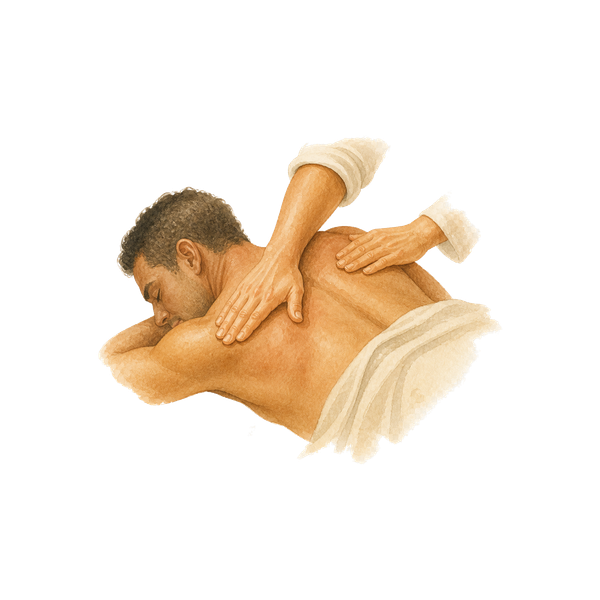
Massage therapist providing deep tissue bodywork to a client in a calm studio setting.

One tool within an individualized session.

What is deep tissue massage?

Deep tissue describes an approach to pace, depth, and specificity. It does not mean that a practitioner can reliably isolate one anatomical layer with pressure.

More pressure is not inherently better. The work should remain responsive to comfort and consent, without an intention to break up tissue or force structural change.

From technique to session

Sessions to explore

A few ways this approach could fit your care. These sessions are starting points, and techniques can be considered across any session. Together, we choose what fits your preferences, your needs that day, and your practitioner’s training.

Watercolor illustration of a forearm and open hand supported by a practitioner's hand, with blue flowers and ferns

Tend

Focused Therapeutic Bodywork

Focused massage for muscle tension, stiffness, and the demands of everyday activity. Choose the areas that need attention, with pressure and movement shaped around you.

$150

60 min

$225

90 min

$300

120 min

$450

180 min

Watercolor illustration of the head, neck, and shoulder muscles with blue flowers and ferns

Tend

Head, Neck & Shoulder Care

Focused care for tension around the head, neck, shoulders, and upper back. Detailed bodywork and comfortable movement, shaped around the areas that need attention.

$150

60 min

$225

90 min

$300

120 min

$450

180 min

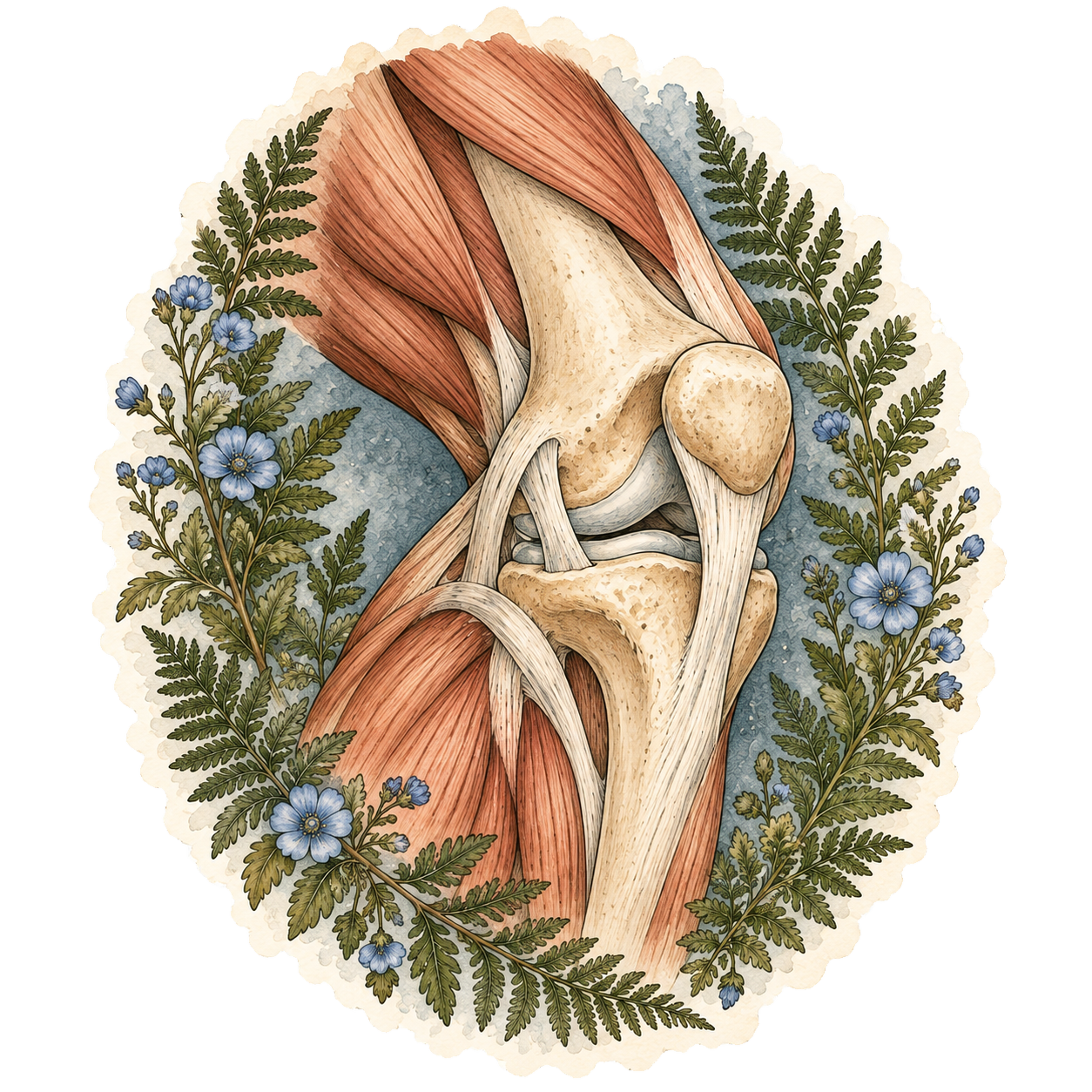
Watercolor and ink illustration of a knee joint, supporting tendons, and leg muscles framed by ferns and blue flowers.

Tend

Injury Recovery Support

Bodywork adapted to your stage of injury recovery, with attention to current limitations, surrounding areas, and the demands of returning to activities that matter to you.

$150

60 min

$225

90 min

$300

120 min

$450

180 min

A closer look

Receiving this approach.

How it may be used

Deep tissue techniques are not applied uniformly across the body. Instead, they may be integrated selectively into a massage session based on assessment, goals, and tissue response.

Pressure is introduced gradually, with attention to breath, nervous system feedback, and comfort. Deep work is often paired with slower transitions and lighter techniques to support integration and reduce guarding.

What to expect

Sessions that include deep tissue techniques typically feel slower and more deliberate than relaxation-focused massage. Sensations may include sustained pressure, gradual release, or a sense of unwinding rather than quick relief.

Clear communication is encouraged throughout the session. Pressure is always adjustable, and techniques are modified in real time based on feedback and tissue response.

Who it may support

Deep tissue massage techniques may be helpful for people experiencing persistent muscle tension, postural strain, restricted movement, or discomfort related to repetitive use or physical demands.

It can be especially supportive for those who prefer focused, methodical work and value communication and pacing over generalized pressure.

Thoughtful care

Care, context & considerations.

Safety & When to Pause

Firm pressure is avoided over acute injury, inflammation, infection, suspected blood clot, unhealed wounds, recent surgery, fragile bones, or areas with impaired sensation. Blood-thinning medication, easy bruising, and significant health conditions may require lighter work or medical guidance.

When symptoms are new, severe, unexplained, or changing quickly, medical evaluation comes before massage.

Scope & Evidence

Deep tissue describes pacing, depth, and specificity rather than a claim that pressure can reliably isolate one anatomical layer. More pressure is not inherently more effective, and the work is not intended to break up tissue or force structural change.

Wild Hart uses this technique only within current training, legal scope, informed consent, and the needs of the session.