Supportive Practice

Prenatal & Postnatal Massage

A supportive bodywork approach designed to address the changing needs of pregnancy and early postpartum recovery.

A therapeutic approach adapted to support the body during pregnancy and the postpartum period.

Browse all techniques
Pregnant client resting in a supported side-lying position during a prenatal massage.

One tool within an individualized session.

What Is Prenatal & Postnatal Massage?

Prenatal and postnatal massage involves modifying traditional massage techniques to accommodate the body during pregnancy and after childbirth. This includes thoughtful positioning, appropriate pressure, and attention to areas that commonly experience strain, such as the lower back, hips, legs, shoulders, and neck.

The work is guided by current safety considerations and client comfort rather than a fixed routine. Techniques are adapted throughout pregnancy and into the postpartum period as the body continues to change and recover.

From technique to session

Sessions to explore

A few ways this approach could fit your care. These sessions are starting points, and techniques can be considered across any session. Together, we choose what fits your preferences, your needs that day, and your practitioner’s training.

Pause botanical illustration for Restorative Flow

Pause

Restorative Flow

An unhurried, flowing massage with broad contact and connected strokes. Pressure and pace are shaped around you, with oil or lotion supporting a continuous, restful experience.

$150

60 min

$225

90 min

$300

120 min

$450

180 min

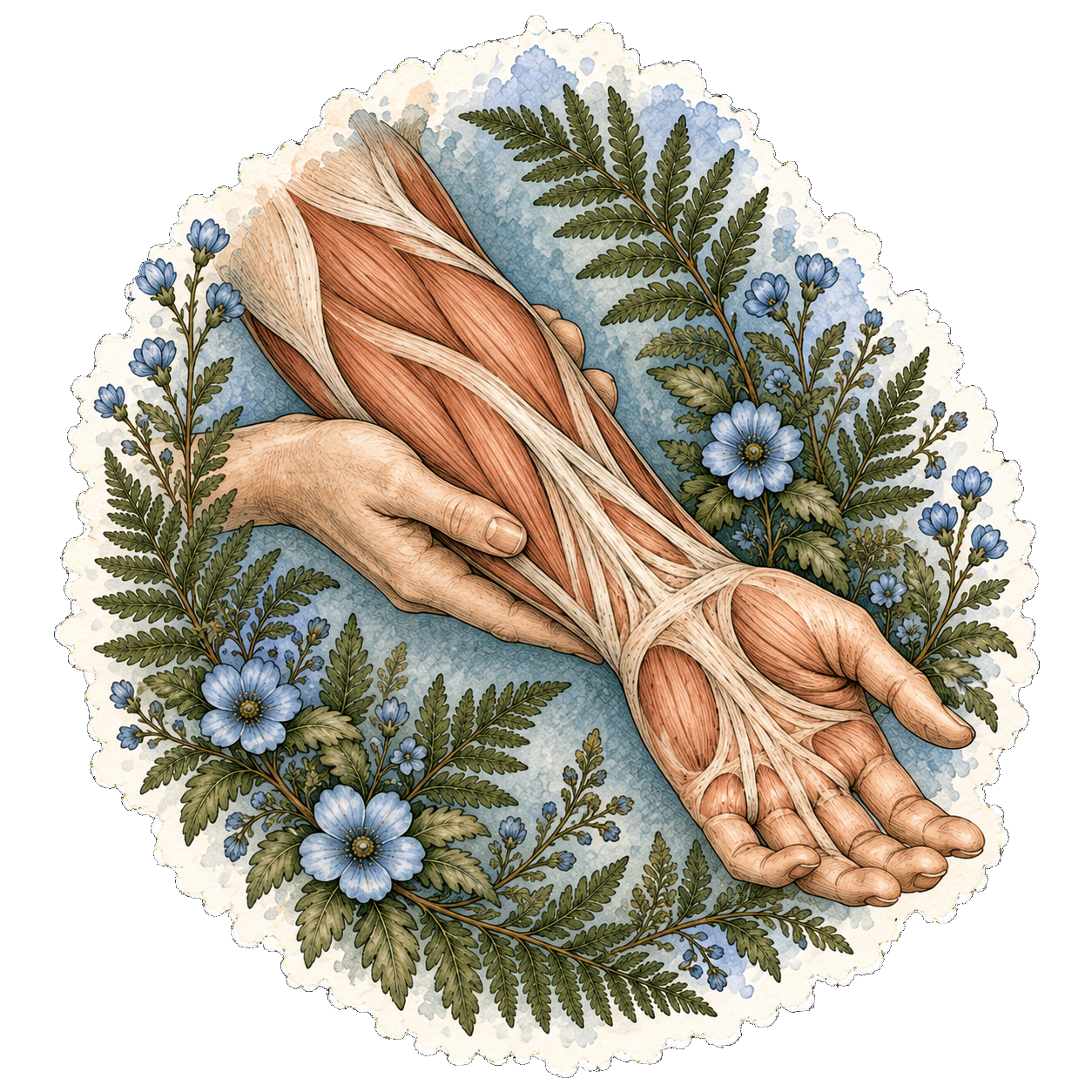
Watercolor illustration of a forearm and open hand supported by a practitioner's hand, with blue flowers and ferns

Tend

Focused Therapeutic Bodywork

Focused massage for muscle tension, stiffness, and the demands of everyday activity. Choose the areas that need attention, with pressure and movement shaped around you.

$150

60 min

$225

90 min

$300

120 min

$450

180 min

Hold botanical illustration for Life in Transition

Hold

Life in Transition

Bodywork during major changes in work, health, home, relationships, or family life. A place for familiar care, rest, and attention while daily life takes a different shape.

$225

90 min

$300

120 min

$450

180 min

A closer look

Receiving this approach.

How it may be used

Prenatal and postnatal massage techniques are integrated into massage sessions when appropriate, based on stage of pregnancy, postpartum timing, and individual comfort.

Sessions are typically performed in side-lying or supported positions using bolsters and pillows. Pressure and pacing are adjusted continually, and communication is emphasized to ensure comfort, safety, and clarity throughout the session.

What to expect

Sessions that include prenatal or postnatal techniques are paced gently and structured around comfort and support. Touch is attentive and responsive, with careful attention to positioning and pressure.

Clients are encouraged to share feedback throughout the session. The work remains adaptable, allowing for rest, repositioning, or changes as needed.

Who it may support

Prenatal and postnatal massage techniques may be helpful for people who are pregnant, recently postpartum, or navigating the physical demands of early parenthood.

This approach can be especially supportive for those experiencing back or hip discomfort, swelling, fatigue, postural strain, or the need for calm, attentive bodywork during periods of significant change.

Thoughtful care

Care, context & considerations.

Safety & When to Pause

Positioning, pressure, and session length are adapted to pregnancy stage, postpartum recovery, and current health. High-risk pregnancy, new swelling, bleeding, severe headache, chest pain, shortness of breath, signs of a blood clot, fever, or postpartum complications require medical assessment before massage.

When symptoms are new, severe, unexplained, or changing quickly, medical evaluation comes before massage.

Scope & Evidence

Prenatal and postnatal massage is supportive care, not obstetric treatment. It does not diagnose pregnancy-related conditions or promise easier labor, faster recovery, or relief from specific symptoms. Appropriate training and health-care coordination matter.

Wild Hart uses this technique only within current training, legal scope, informed consent, and the needs of the session.