Somatic & Nervous System

Craniosacral Therapy

A gentle, hands-on approach using light contact, attentive pacing, and communication about what you notice.

Light contact, attentive pacing, and room to notice.

Browse all techniques
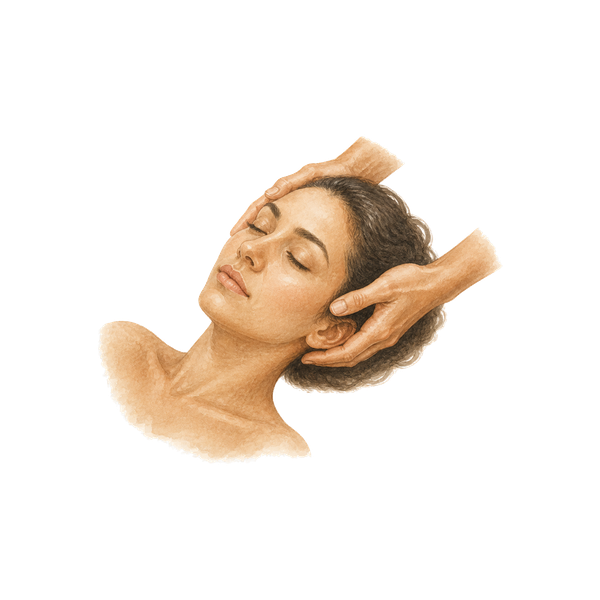
Massage therapist using gentle, still contact at a client’s head during a craniosacral therapy session.

One tool within an individualized session.

What is craniosacral therapy?

Craniosacral work often involves gentle contact around the head, spine, or sacrum. Its proposed mechanisms should not be treated as established medical facts.

At Wild Hart, careful contact does not come with a claim to move cranial bones, change cerebrospinal fluid, or treat neurological disease. We stay attentive to the person’s experience and the limits of the work.

From technique to session

Sessions to explore

A few ways this approach could fit your care. These sessions are starting points, and techniques can be considered across any session. Together, we choose what fits your preferences, your needs that day, and your practitioner’s training.

Pause botanical illustration for Gentle Unwinding

Pause

Gentle Unwinding

A gentle session centered on craniosacral work: light, sustained touch, subtle movement, and time to settle. Other techniques may be included to support what feels useful for you.

$150

60 min

$225

90 min

$300

120 min

$450

180 min

Pause botanical illustration for Head, Hands & Feet

Pause

Head, Hands, & Feet

Give your favorite areas more time. Focused care for the scalp, face, hands, and feet, with optional neck and shoulder work and most of the body covered.

$150

60 min

$225

90 min

$300

120 min

$450

180 min

Hold botanical illustration for Grief Support

Hold

Grief Support

Attentive bodywork while grieving, with room for quiet, ordinary conversation, emotion, and changing preferences. You can receive care without explaining your loss again.

$225

90 min

$300

120 min

$450

180 min

A closer look

Receiving this approach.

How it may be used

Light-touch work may be considered when it fits your preferences and the practitioner’s training and scope. It can be discussed alongside other approaches.

Touch is introduced gradually. You can ask for a different pace, position, pressure, or approach, and you can stop at any time.

What to expect

Sessions that include craniosacral techniques typically feel subtle and calm. Touch is light, and movement may be minimal. Some people notice a sense of deep relaxation, warmth, or gentle shifts in awareness during the work.

As with all techniques, the pace remains responsive. Clients are encouraged to share feedback, and the work is adjusted based on comfort and experience throughout the session.

Who it may support

You may be curious about light contact, a slower pace, or a quieter session. Those preferences can help shape a conversation about whether this approach fits your care.

A preference for gentle touch does not establish a cause or treatment for symptoms. Questions about headaches or other health concerns belong within an appropriate medical care plan.

Thoughtful care

Care, context & considerations.

Safety & When to Pause

Gentle contact may still be inappropriate around acute head or neck injury, suspected fracture, recent surgery, active infection, or new neurological symptoms. Severe headache, sudden weakness, confusion, or other urgent changes require medical evaluation.

When symptoms are new, severe, unexplained, or changing quickly, medical evaluation comes before massage.

Scope & Evidence

Craniosacral therapy has proposed mechanisms that are debated and not established as medical fact. Wild Hart uses careful, low-force contact without claiming to manipulate cranial bones, change cerebrospinal fluid, or treat neurological disease.

Wild Hart uses this technique only within current training, legal scope, informed consent, and the needs of the session.