Explore all experiences
Pain & Recovery

When Your Neck and Shoulders Carry Too Much

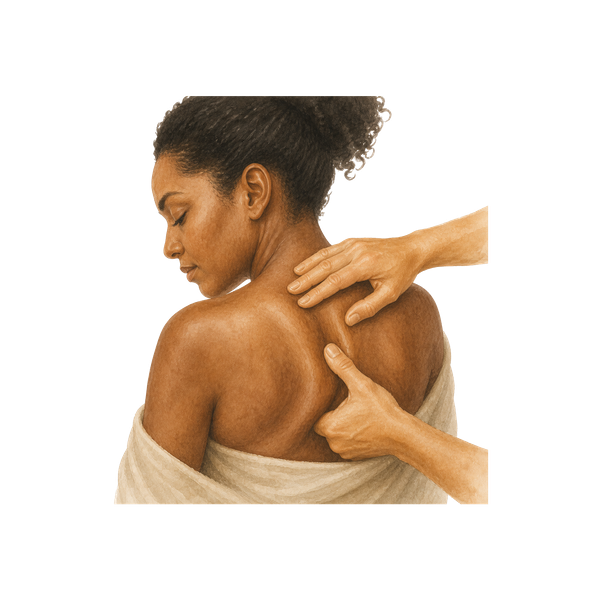
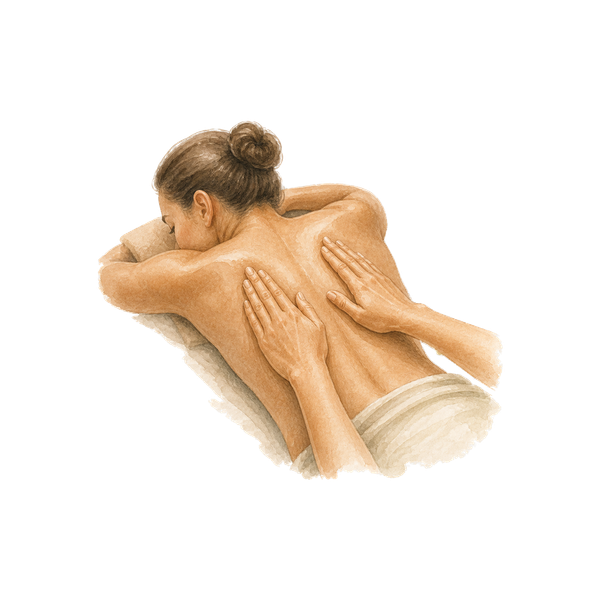
Recurring neck and shoulder tension can make work, sleep, turning, or reaching less comfortable. Massage at Wild Hart in Portland makes room for focused care shaped around your daily demands, preferences, and response.

Primary PATH
Tend
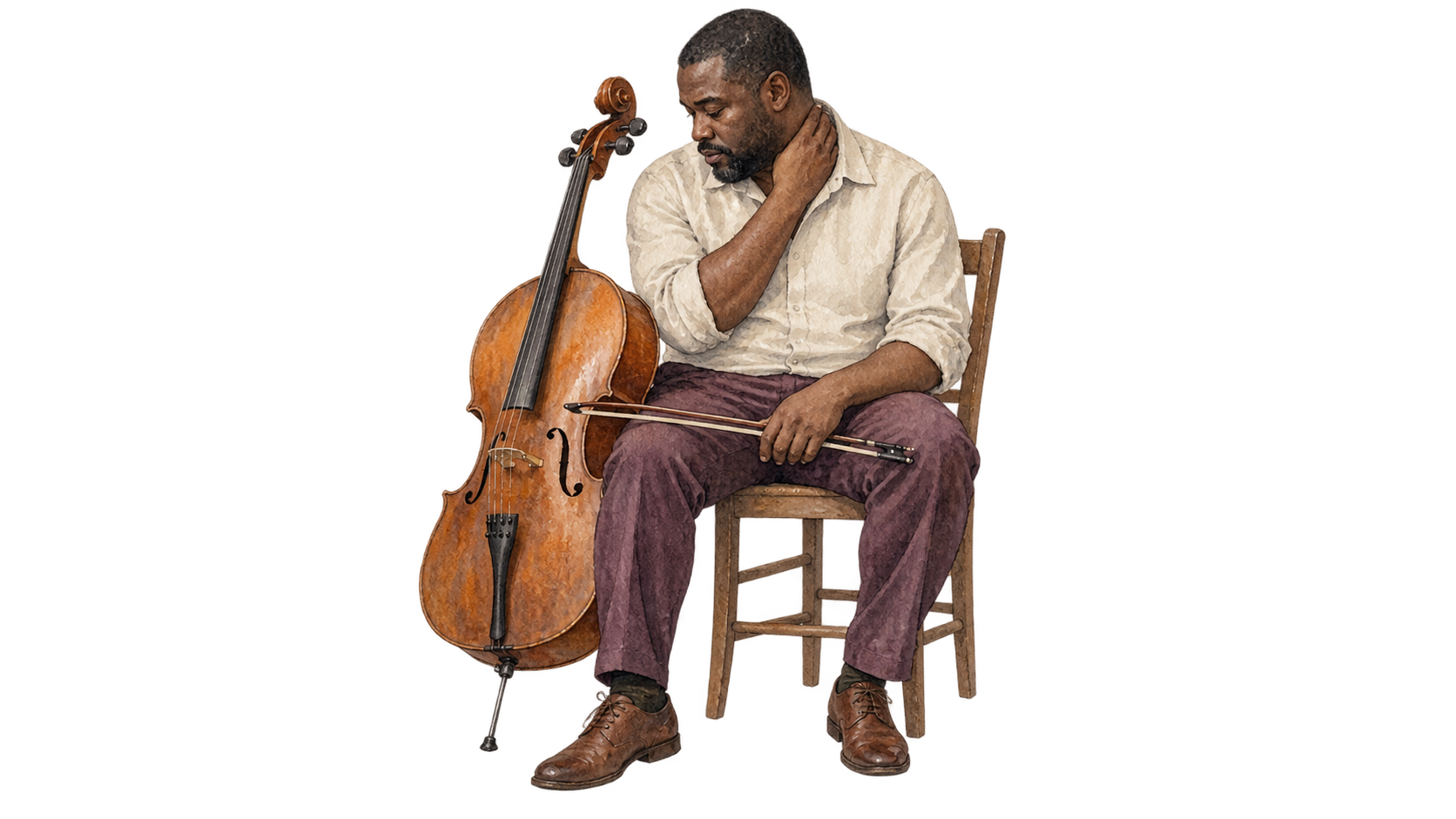
A seated cellist pauses with one hand at the side of their neck and the bow resting across their lap.
Understanding

Understanding this experience

You might notice stiffness after desk work, strain from caring for someone, or shoulders that stay lifted long after a demanding day. Perhaps the tension eases for a while, then returns. We start with how it affects you and what you hope will feel different.

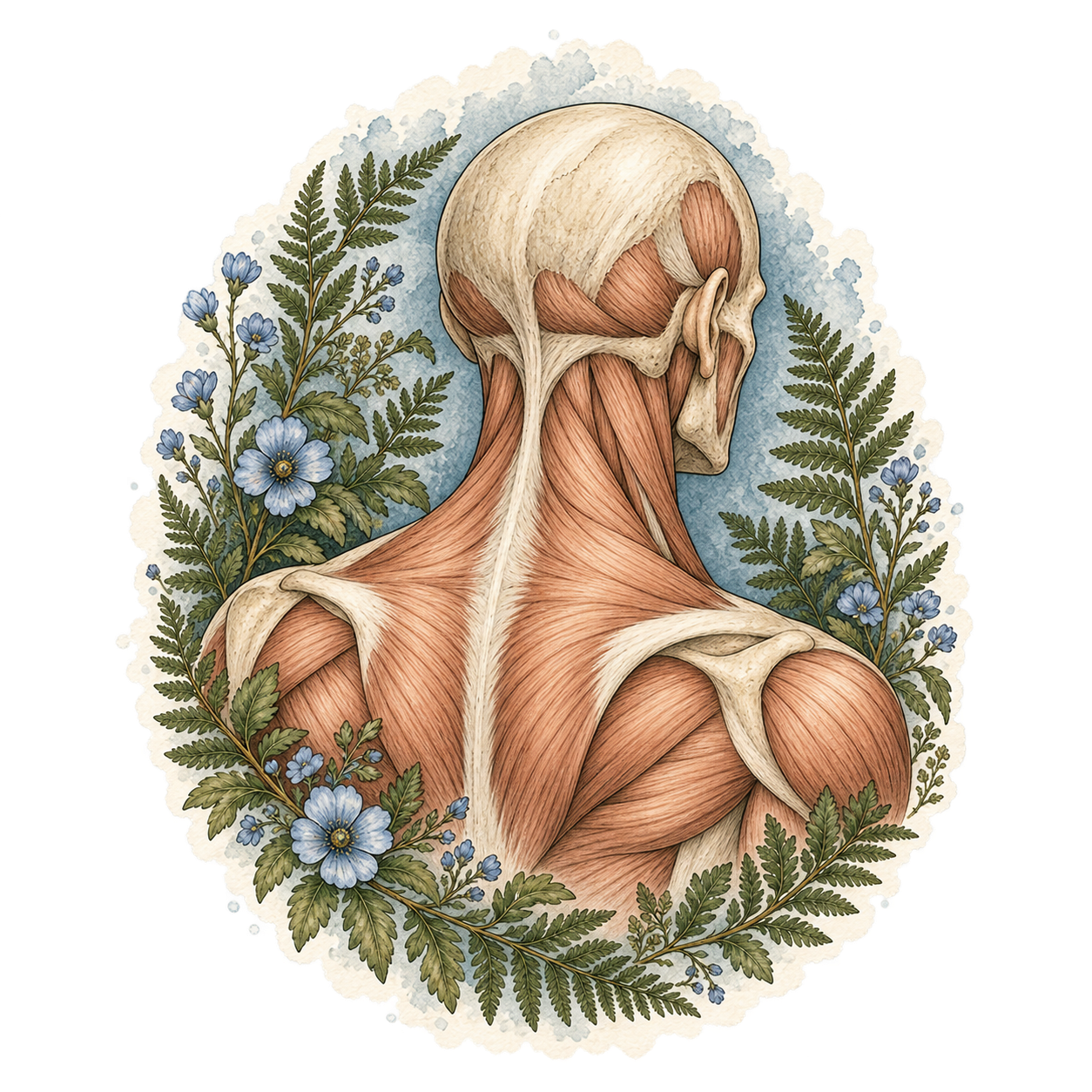
The neck and shoulders do not have to be treated in isolation. With your agreement, a session can include the upper back, arms, or jaw. We do not assume that posture, stress, or one tight area explains every experience of pain.

Recognition

You may recognize some of this.

  • Turning or reaching feels less comfortable
  • Desk work or caregiving leaves you braced
  • The area settles temporarily, then tightens again
Ways to begin

Sessions to explore

A few ways to begin. Your session can be adapted around what matters to you.

Related techniques

Techniques that may support this care

Our approach

Care shaped around you

We ask about daily activities, relevant injuries, other care you receive, and any movements or positions you prefer to avoid. Your feedback guides pressure, pace, and the areas included. The plan can change if rest feels more useful than focused work that day.

If jaw tension is part of the picture, explore our TMJ & Jaw Pain guide. Intraoral work is an optional addition with a qualified practitioner and specific consent; neck and shoulder care does not require it.

Possibility

How bodywork may help

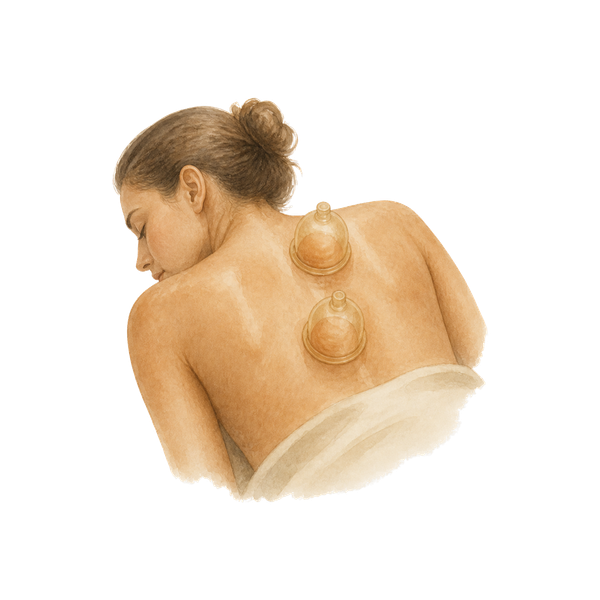
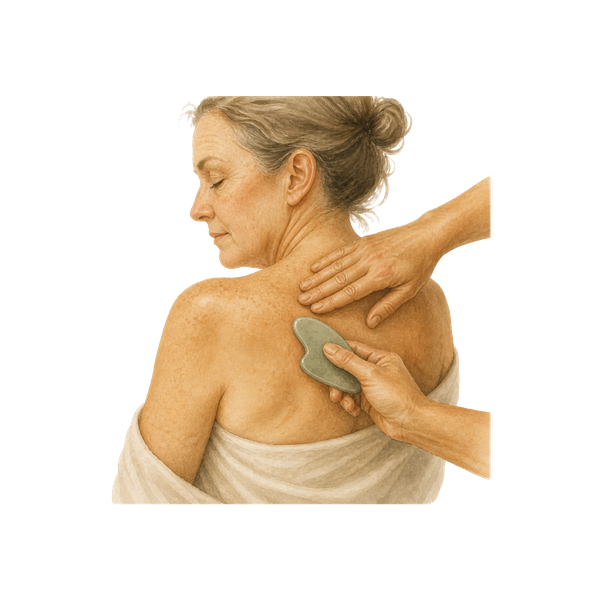
Bodywork offers time for focused attention to the areas that feel sore or guarded, along with comfortable movement and broader massage when useful. We may combine flowing work, slower soft-tissue attention, and supported positioning within the practitioner’s training.

The session can be gentle or more detailed. More pressure is not automatically more helpful, and you do not need to endure painful work to make the visit worthwhile.

Together

What we might explore

  • What you notice during desk work, driving, caregiving, creative work, or sleep.
  • Focused neck and shoulder work alongside the upper back, arms, or jaw when agreed.
  • Supported positions and gentle movement that respect your current comfort.
  • Whether a detailed focus or a broader, quieter session would serve you today.
Before we begin

Important considerations

Share recent injuries, surgeries, or guidance from your healthcare team before hands-on work. New, unexplained, or worsening symptoms may need medical assessment before massage.