Explore all experiences
Pain & Recovery

Massage for Jaw Tension & TMJ-Related Pain

Clenching, facial tension, or discomfort when chewing can make ordinary moments demanding. At Wild Hart in Portland, jaw-focused bodywork begins with what you notice, the care you already receive, and the kind of touch that feels welcome.

Primary PATH
Tend
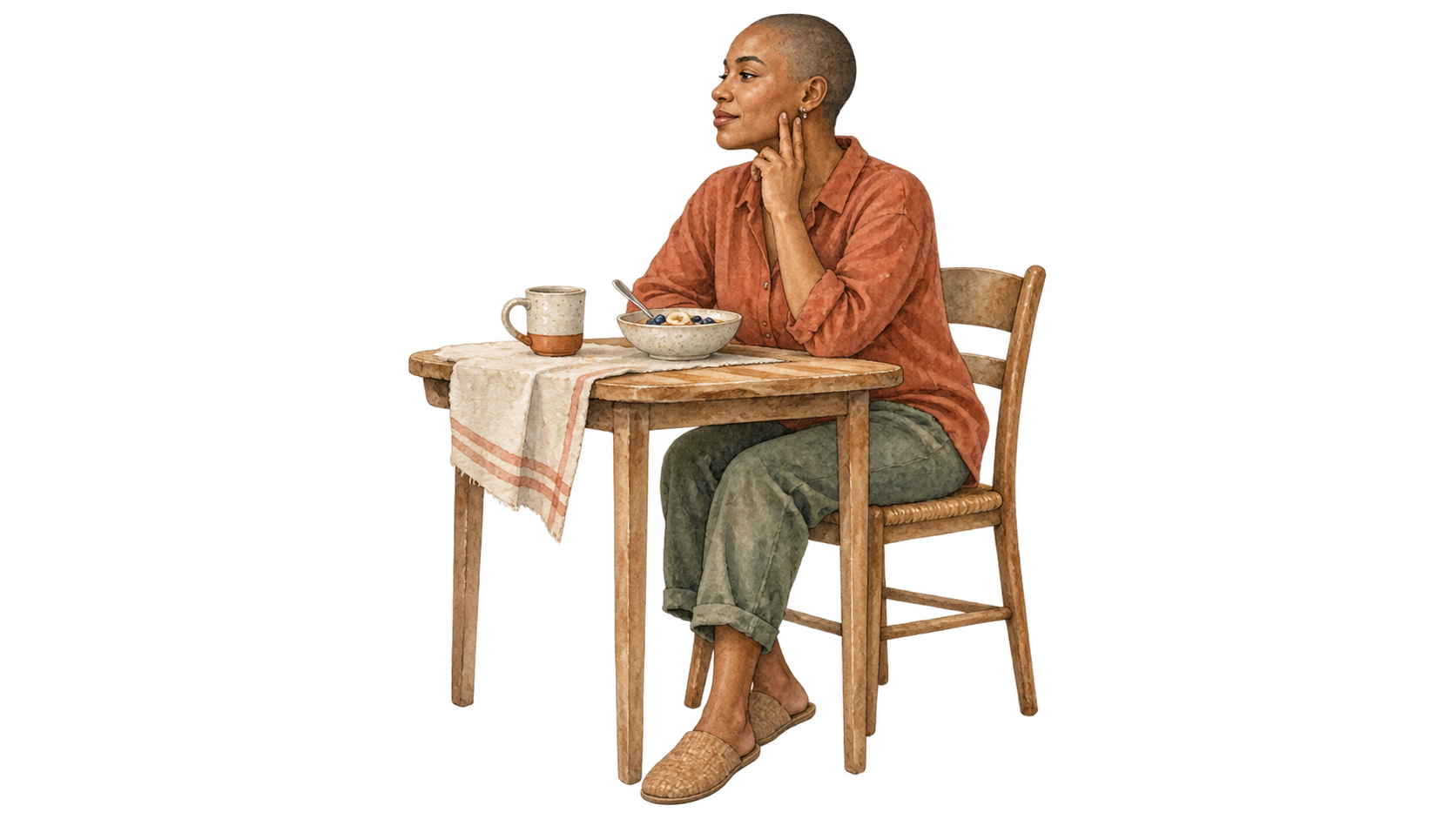
An adult pauses at a breakfast table with fingertips resting near the side of their jaw.
Understanding

Understanding this experience

Jaw discomfort can show up while eating, talking, yawning, or waking after a night of clenching. You may also notice tension around your face, neck, or shoulders. We make room to discuss these experiences together without assuming they have a single cause.

TMJ refers to the jaw joint; TMD describes a group of conditions involving the joints and muscles that move the jaw. Massage does not establish that diagnosis. Our role is to offer responsive bodywork alongside dental or medical care when needed.

Recognition

You may recognize some of this.

  • Clenching or bracing has become familiar
  • Chewing, speaking, or yawning feels uncomfortable
  • Jaw tension seems connected with the neck or head
Ways to begin

Sessions to explore

A few ways to begin. Your session can be adapted around what matters to you.

Related techniques

Techniques that may support this care

Our approach

Care shaped around you

We begin with how your jaw feels in daily life, any recent changes, and what you want included or avoided. Tell us about relevant dental care, injuries, or recommendations from other providers. You do not need to choose a technique before arriving.

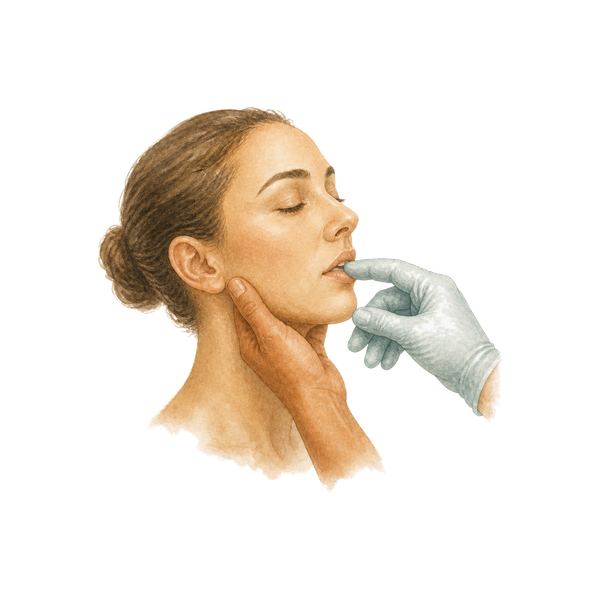
Intraoral massage involves contact inside the mouth. It is optional, requires a qualified practitioner and specific consent, and is discussed before it begins. You can choose external work only or change your mind at any point.

Possibility

How bodywork may help

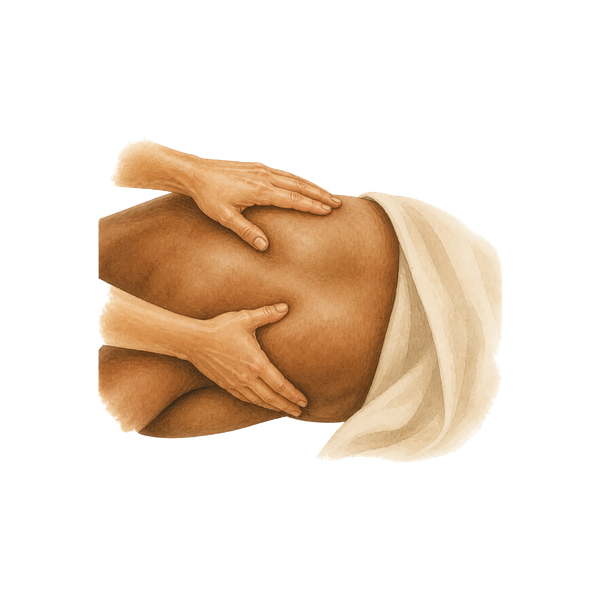
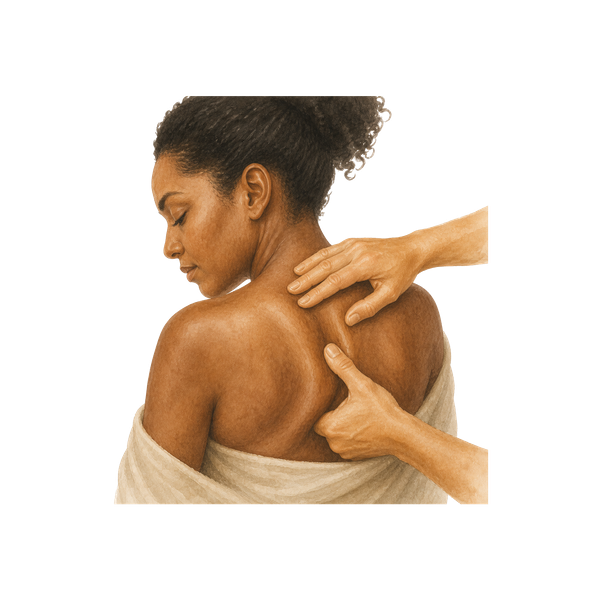
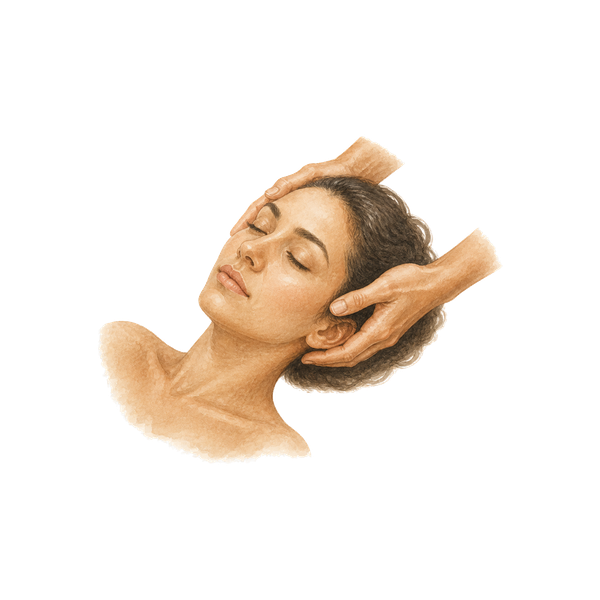
A session gives us time for careful external work around agreed areas of the jaw and face, with attention to the neck and shoulders when useful. Pressure, pace, and gentle movement are adjusted around your feedback. We can stay with one area or consider the surrounding regions.

The aim is to explore comfort and ease of movement, without forcing the jaw open or promising a particular result.

Together

What we might explore

  • When you notice clenching, facial tension, or discomfort during everyday activities.
  • External jaw and facial work, with time for the neck, shoulders, or upper back as agreed.
  • Pressure, positioning, and small movements that feel comfortable.
  • Whether intraoral work interests you, without making it a requirement.
Before we begin

Important considerations

Jaw pain may need dental or medical assessment. Ask the appropriate provider about new or worsening symptoms, locking, or changes following an injury. Massage does not replace that assessment. For an overview of TMD, see the National Institute of Dental and Craniofacial Research guide.