Explore all experiences
Movement & Performance

Recovery for an Active Life

Hiking, gardening, dancing, cycling to work, and carrying out everyday responsibilities all ask something of your body. Make room for rest and care between the activities you want to keep enjoying.

Primary PATH
Tend
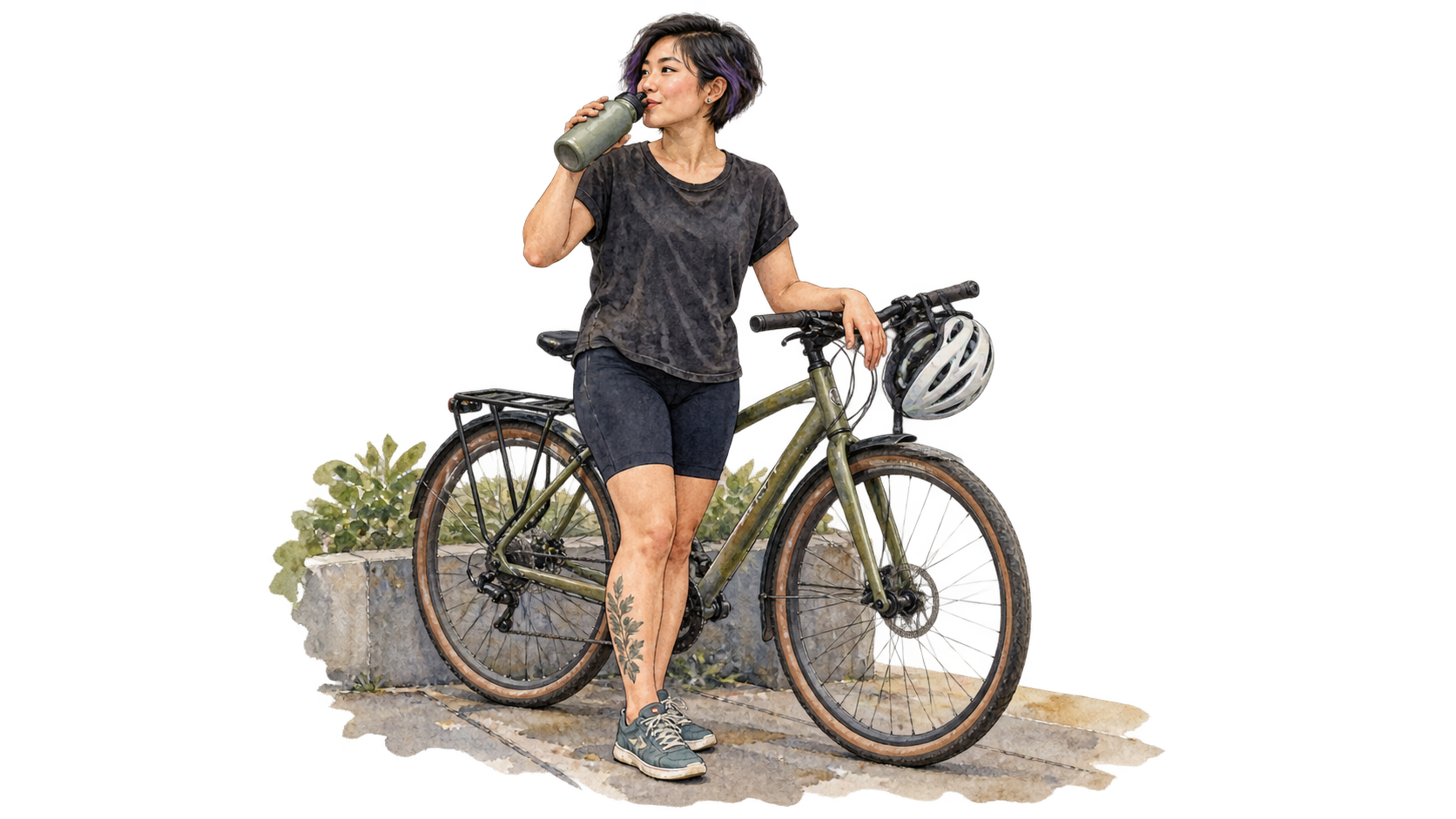
A young cyclist with a calf tattoo pauses for water beside a city bicycle, with a helmet hanging from the handlebars.
Understanding

Understanding this experience

You do not need to identify as an athlete to make recovery part of an active life. Start with the activity that matters to you and how you feel before, during, or afterward.

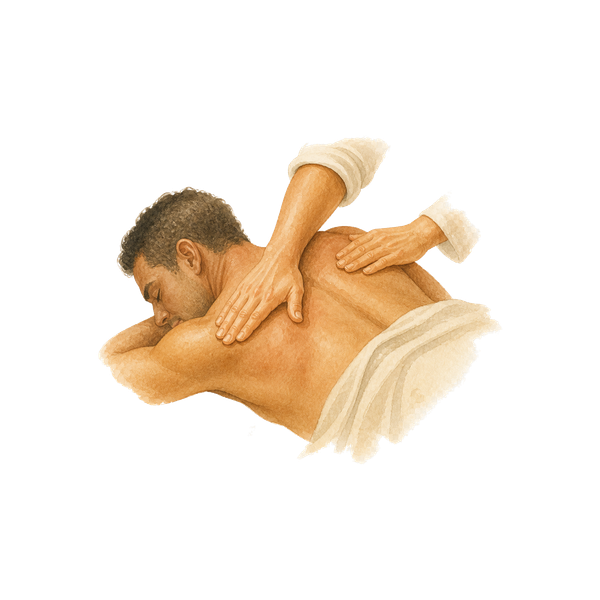
A session might focus on tired legs after a long walk, shoulders after a weekend project, or an unhurried full-body massage. Tell your practitioner about your next activity so you can choose a comfortable pace together. For organized training or competition, see Athletic Recovery.


Recognition

You may recognize some of this.

  • Different activities create overlapping demands
  • Rest days do not always feel restorative
  • You want care that supports the life you actually live
Ways to begin

Sessions to explore

A few ways to begin. Your session can be adapted around what matters to you.

Related techniques

Techniques that may support this care

Our approach

Care shaped around you

Our approach to active lifestyle recovery values participation over optimization. We listen to goals and capacity, explore relevant relationships, and adapt the work so ambition and bodily information can remain in conversation.

Possibility

How bodywork may help

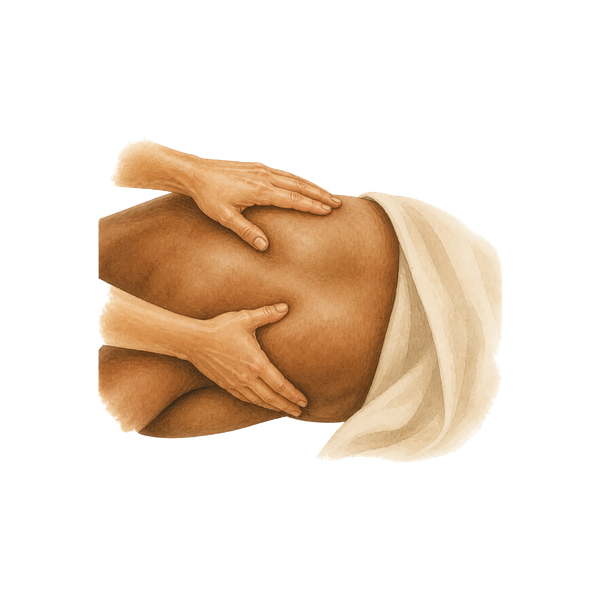
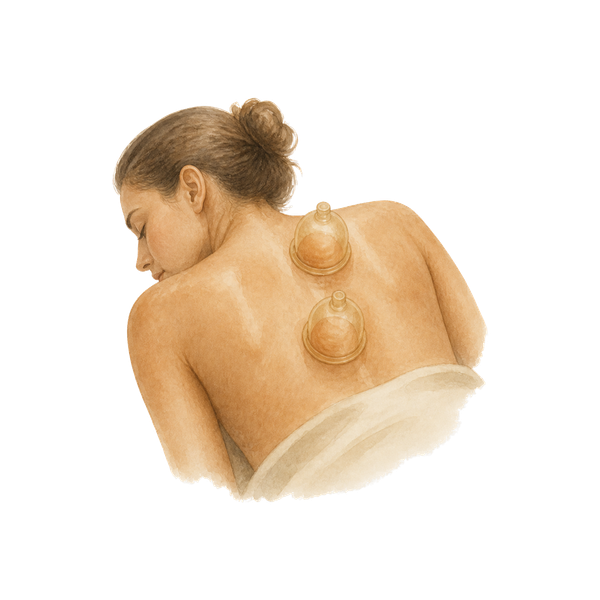
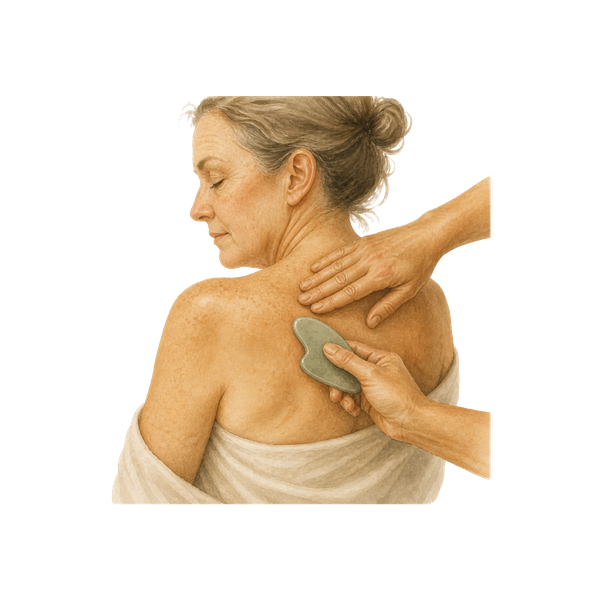
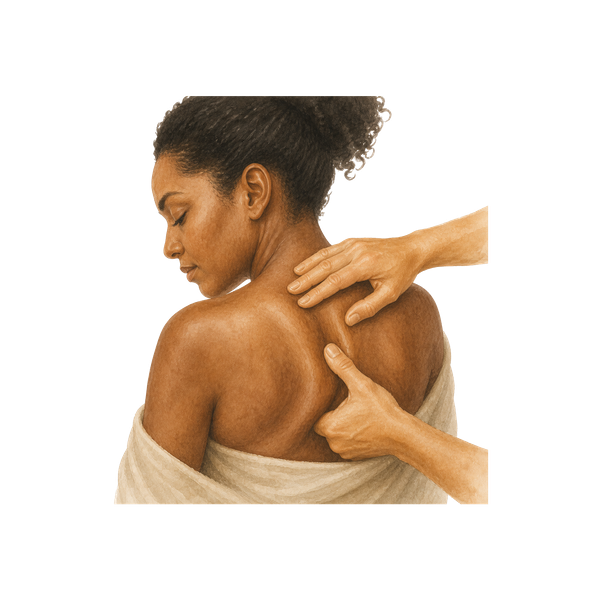
Bodywork may support recovery by offering attentive touch, movement exploration, and space to notice compensation or changing capacity. It works best as one part of a wider recovery plan when other care is needed.

Together

What we might explore

  • Current capacity and the pace of returning
  • Compensation, sensitivity, and changing movement strategies
  • How care can complement rehabilitation, training, or medical guidance
Before we begin

Important considerations