Explore all experiences
Pain & Recovery

Living with a Scar

A scar is part of a larger story of healing and adaptation. It may affect sensation, mobility, comfort, or how you relate to an area of your body, even long after the original event.

Primary PATH
Tend
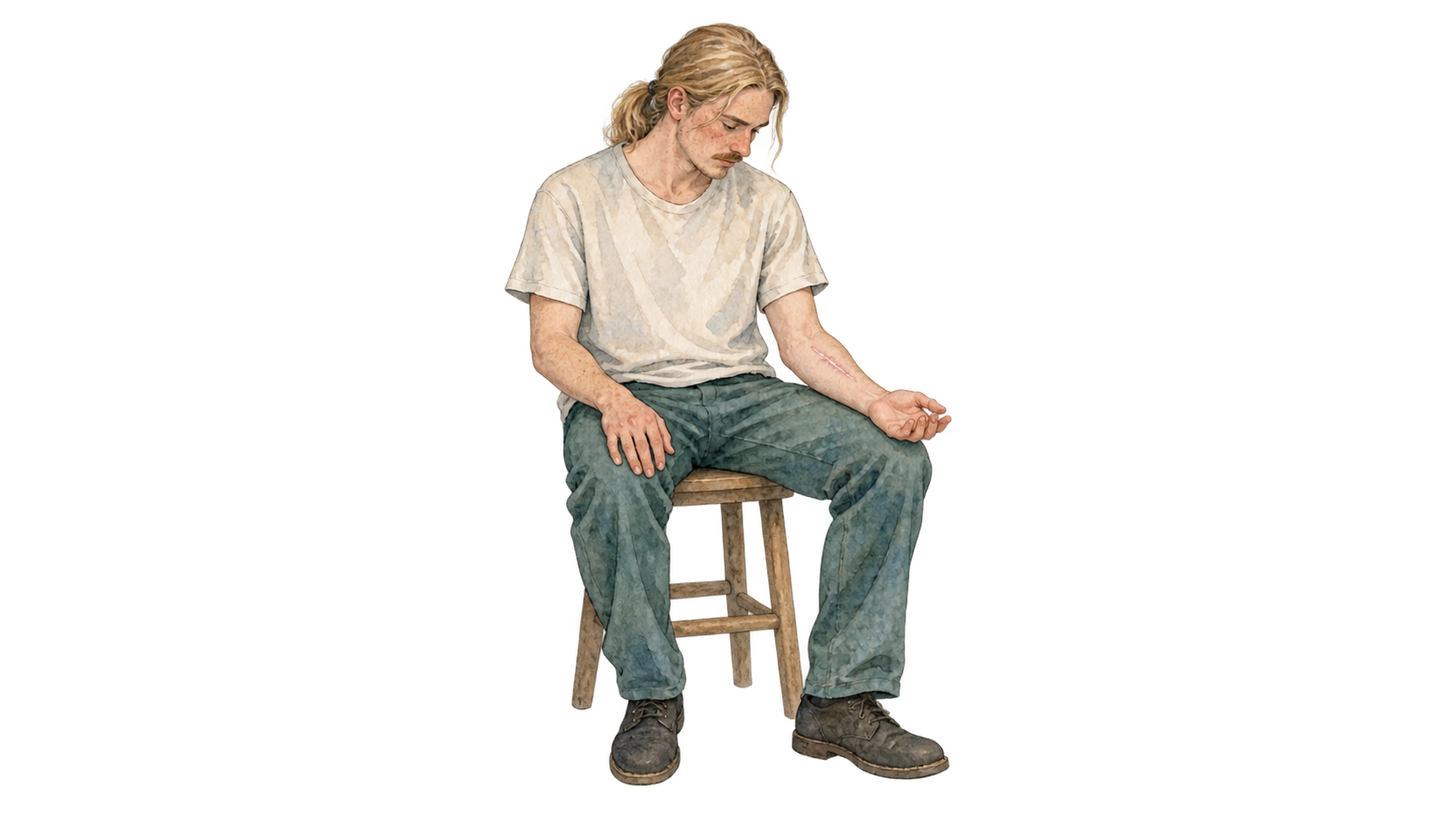
A seated adult with blond hair looks down at a pale scar on their upturned forearm.
Understanding

Understanding this experience

Scar recovery is shaped by more than one structure or moment. Work, rest, movement, history, stress, and the wider care context may all influence how the experience changes.

Thoughtful care for scar mobility, sensitivity, surrounding tissue, and adaptation.

Recognition

You may recognize some of this.

  • The scar or surrounding area feels sensitive or unfamiliar
  • Movement near the area feels restricted
  • You want careful, consent-centered attention to the tissue
Ways to begin

Sessions to explore

A few ways to begin. Your session can be adapted around what matters to you.

Related techniques

Techniques that may support this care

Our approach

Care shaped around you

With scar recovery, we begin by listening to how the experience affects daily life and what has already helped or complicated it. Care is paced collaboratively, with respect for protective responses and the person's own knowledge.

Possibility

How bodywork may help

Bodywork may support recovery by offering attentive touch, movement exploration, and space to notice compensation or changing capacity. It works best as one part of a wider recovery plan when other care is needed.

Together

What we might explore

  • Current capacity and the pace of returning
  • Compensation, sensitivity, and changing movement strategies
  • How care can complement rehabilitation, training, or medical guidance
Before we begin

Important considerations

Scar work is generally considered only after the tissue is fully closed and medically stable. Recent surgery, infection, unexplained swelling, or changing symptoms require appropriate medical guidance.