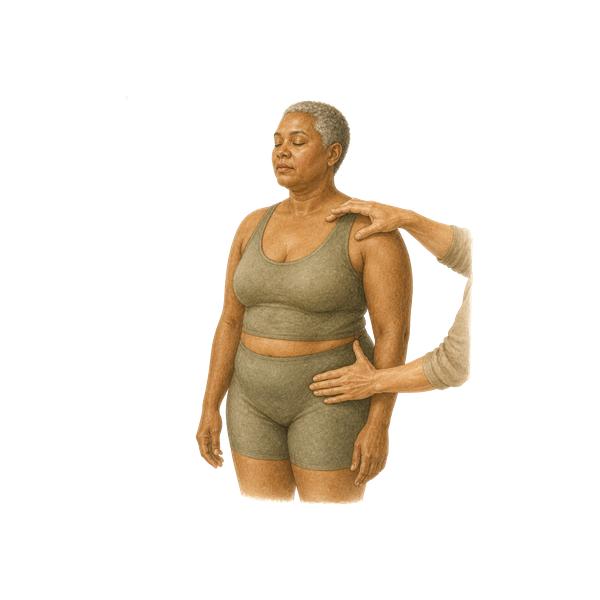
Manual Therapy

Structural Bodywork

Whole-body massage that considers relationships among regions, movement, and load without promising postural correction.

Looking at patterns across the body while keeping the work collaborative and adaptable.

Browse all techniques

One tool within an individualized session.

What Structural Bodywork Is

Structural bodywork is an umbrella term for manual approaches that consider relationships among body regions, movement, posture, and load. Schools and practitioners define it differently.

The approach is adapted to the person and context rather than applied as a fixed formula.
From technique to session

Sessions to explore

A few ways this approach could fit your care. These sessions are starting points, and techniques can be considered across any session. Together, we choose what fits your preferences, your needs that day, and your practitioner’s training.

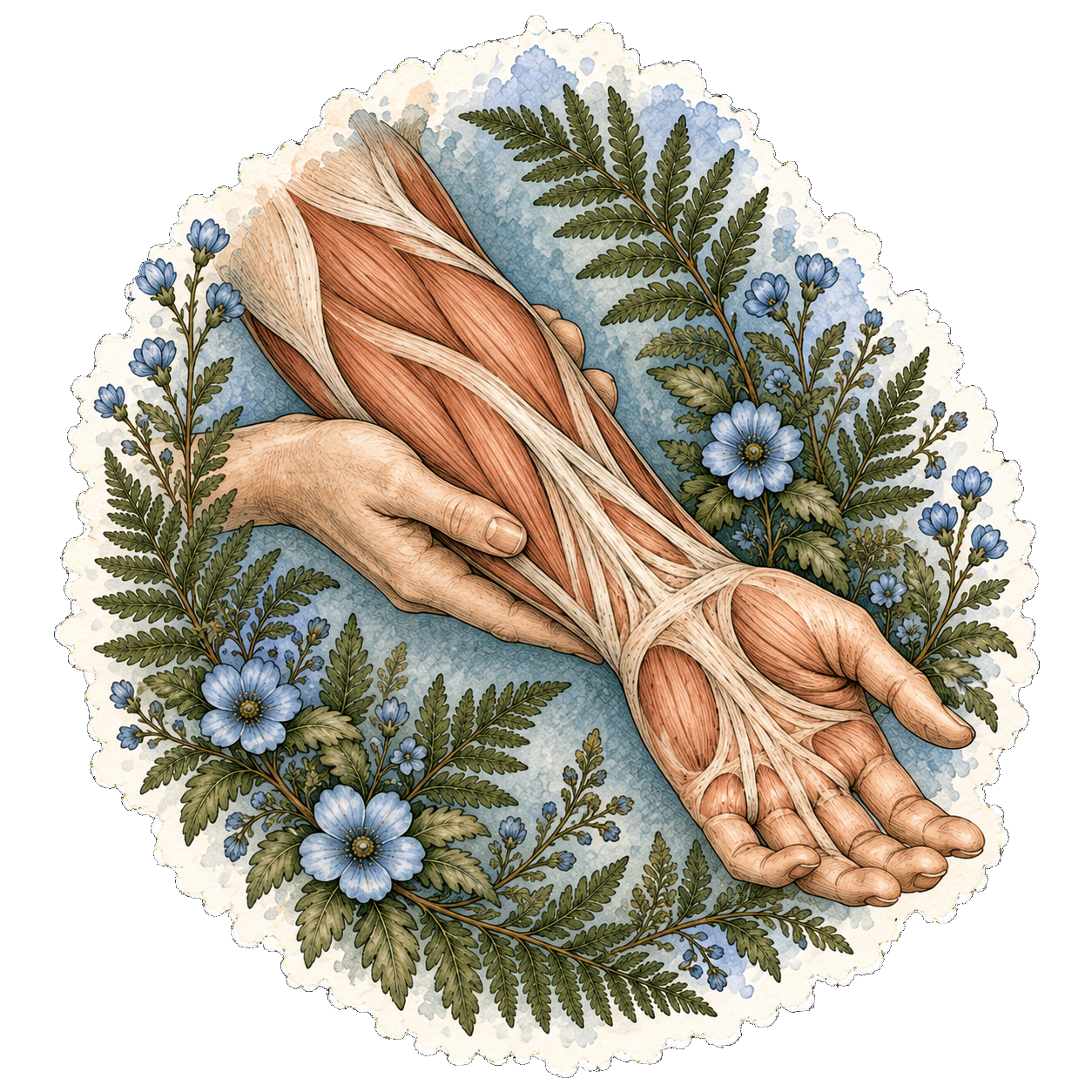
Watercolor illustration of a forearm and open hand supported by a practitioner's hand, with blue flowers and ferns

Tend

Focused Therapeutic Bodywork

Focused massage for muscle tension, stiffness, and the demands of everyday activity. Choose the areas that need attention, with pressure and movement shaped around you.

$150

60 min

$225

90 min

$300

120 min

$450

180 min

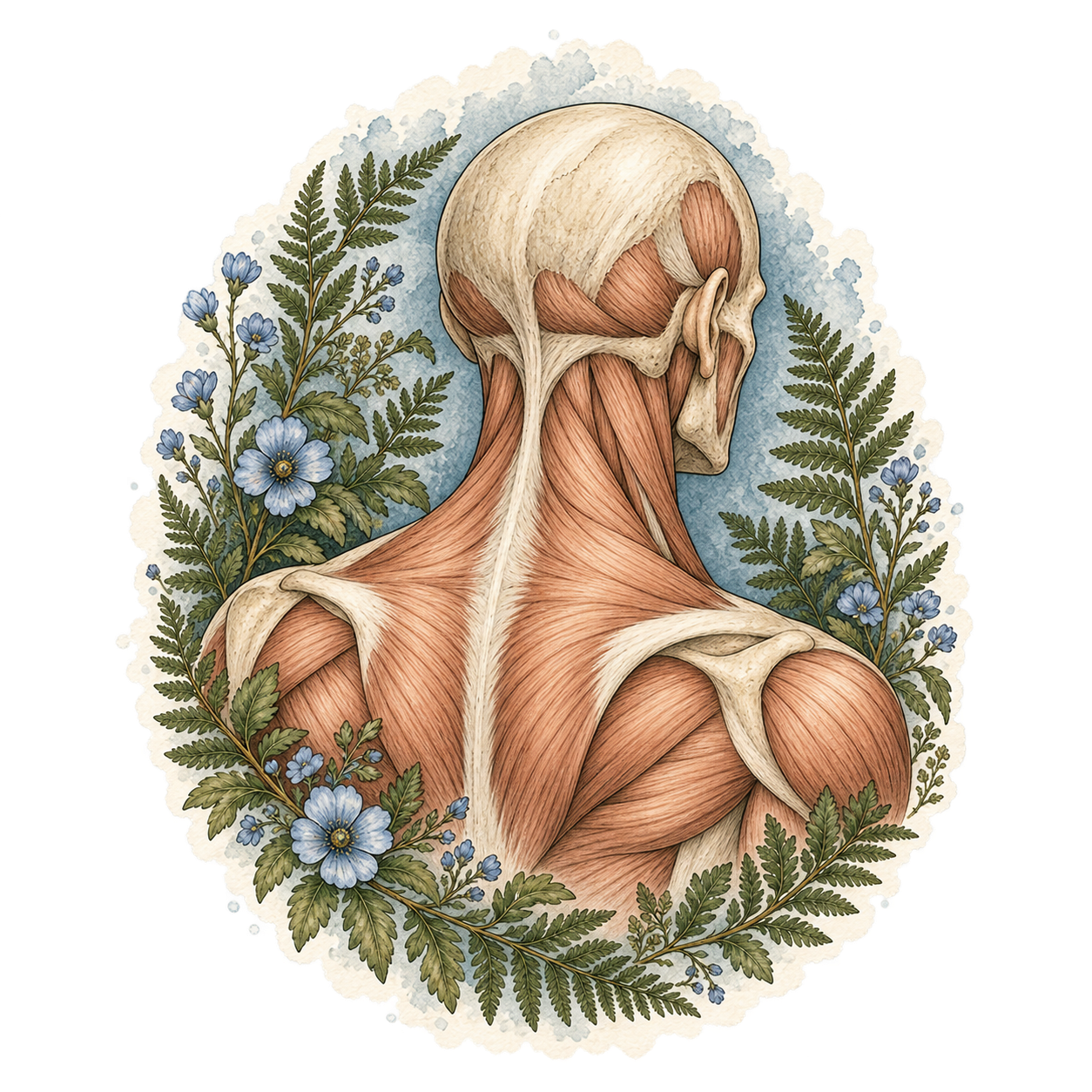
Watercolor illustration of the head, neck, and shoulder muscles with blue flowers and ferns

Tend

Head, Neck & Shoulder Care

Focused care for tension around the head, neck, shoulders, and upper back. Detailed bodywork and comfortable movement, shaped around the areas that need attention.

$150

60 min

$225

90 min

$300

120 min

$450

180 min

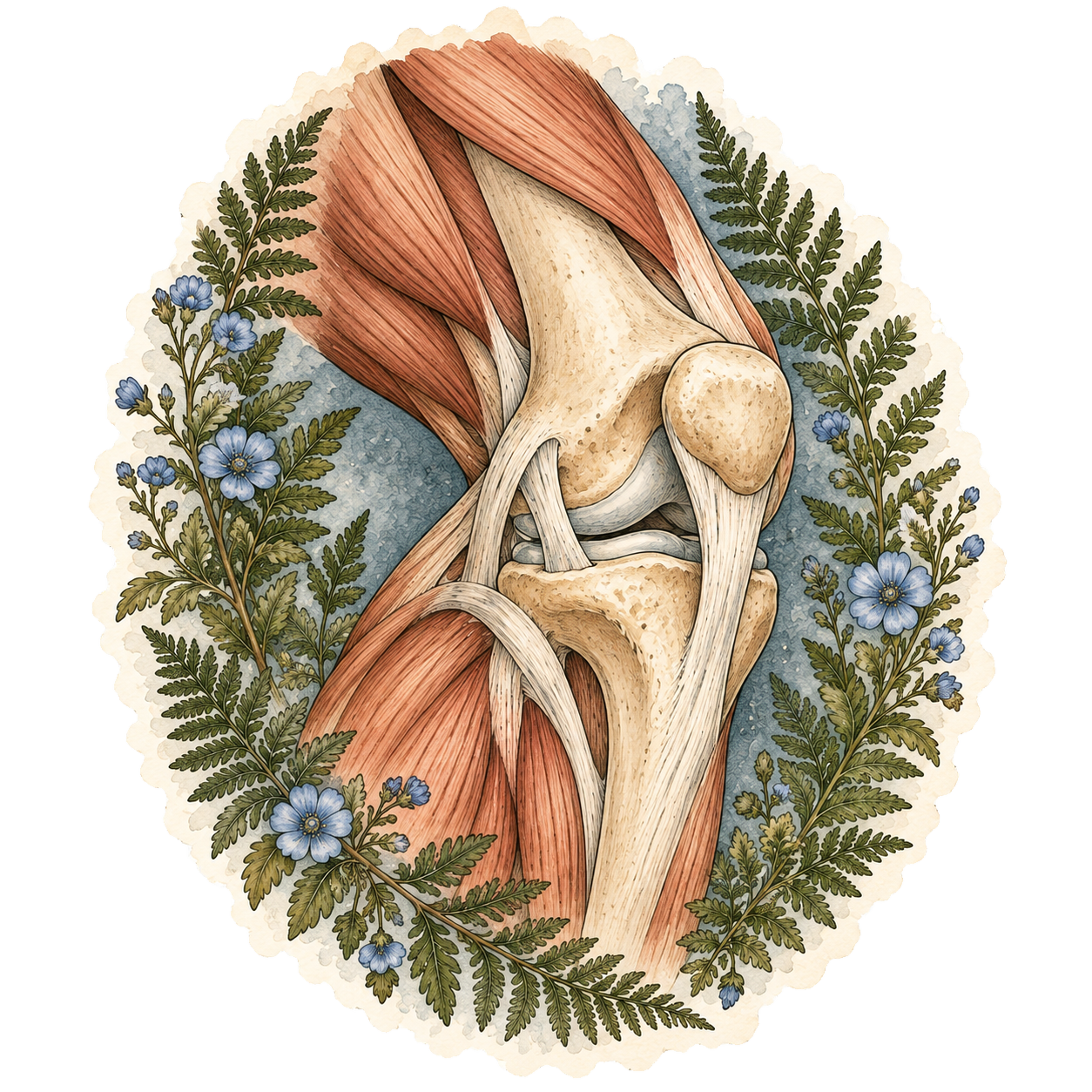
Watercolor and ink illustration of a knee joint, supporting tendons, and leg muscles framed by ferns and blue flowers.

Tend

Injury Recovery Support

Bodywork adapted to your stage of injury recovery, with attention to current limitations, surrounding areas, and the demands of returning to activities that matter to you.

$150

60 min

$225

90 min

$300

120 min

$450

180 min

A closer look

Receiving this approach.

How it may be used

A practitioner may compare areas such as the feet, pelvis, ribs, shoulders, and head, then use pressure, movement, or position to explore how they relate. The session should remain responsive rather than imposing an ideal posture.

The pace, pressure, position, and duration are adjusted through ongoing consent and feedback.

What to expect

The work may range from broad contact to slower, more specific pressure and may include movement. Depth is chosen by response, not by the idea that deeper is more corrective.

The work can be paused, changed, or stopped at any time.

Who it may support

It may appeal to people who want a whole-body perspective or to explore movement patterns. Posture is variable and adaptive; bodywork cannot promise a prescribed alignment, symmetry, or permanent structural change.

Responses vary. This information is educational and does not replace medical assessment or care.

Thoughtful care

Care, context & considerations.

Safety & When to Pause

General massage precautions apply. Strong or prolonged pressure requires additional care with acute injury, osteoporosis, joint instability, connective-tissue conditions, recent surgery, impaired sensation, and blood-thinning medication.

When symptoms are new, severe, unexplained, or changing quickly, medical evaluation comes before massage.

Scope & Evidence

This page is educational and does not diagnose, treat, or replace medical care. Research and individual responses vary across manual therapy approaches.

Wild Hart uses this technique only within current training, legal scope, informed consent, and the needs of the session.