Movement & Awareness

Assisted Stretching

Practitioner-supported stretching that stays within a comfortable, non-forced range.

Supported movement and stretching paced around comfort, breath, and clear feedback.

Browse all techniques

One tool within an individualized session.

What Assisted Stretching Is

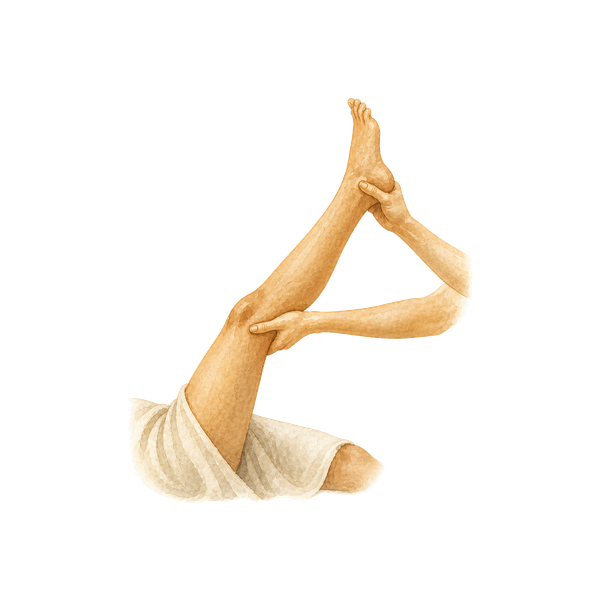
Assisted stretching is a broad term for stretches in which a practitioner supports and moves part of the client’s body. The client may remain relaxed or participate, depending on the method.

The approach is adapted to the person and context rather than applied as a fixed formula.
From technique to session

Sessions to explore

A few ways this approach could fit your care. These sessions are starting points, and techniques can be considered across any session. Together, we choose what fits your preferences, your needs that day, and your practitioner’s training.

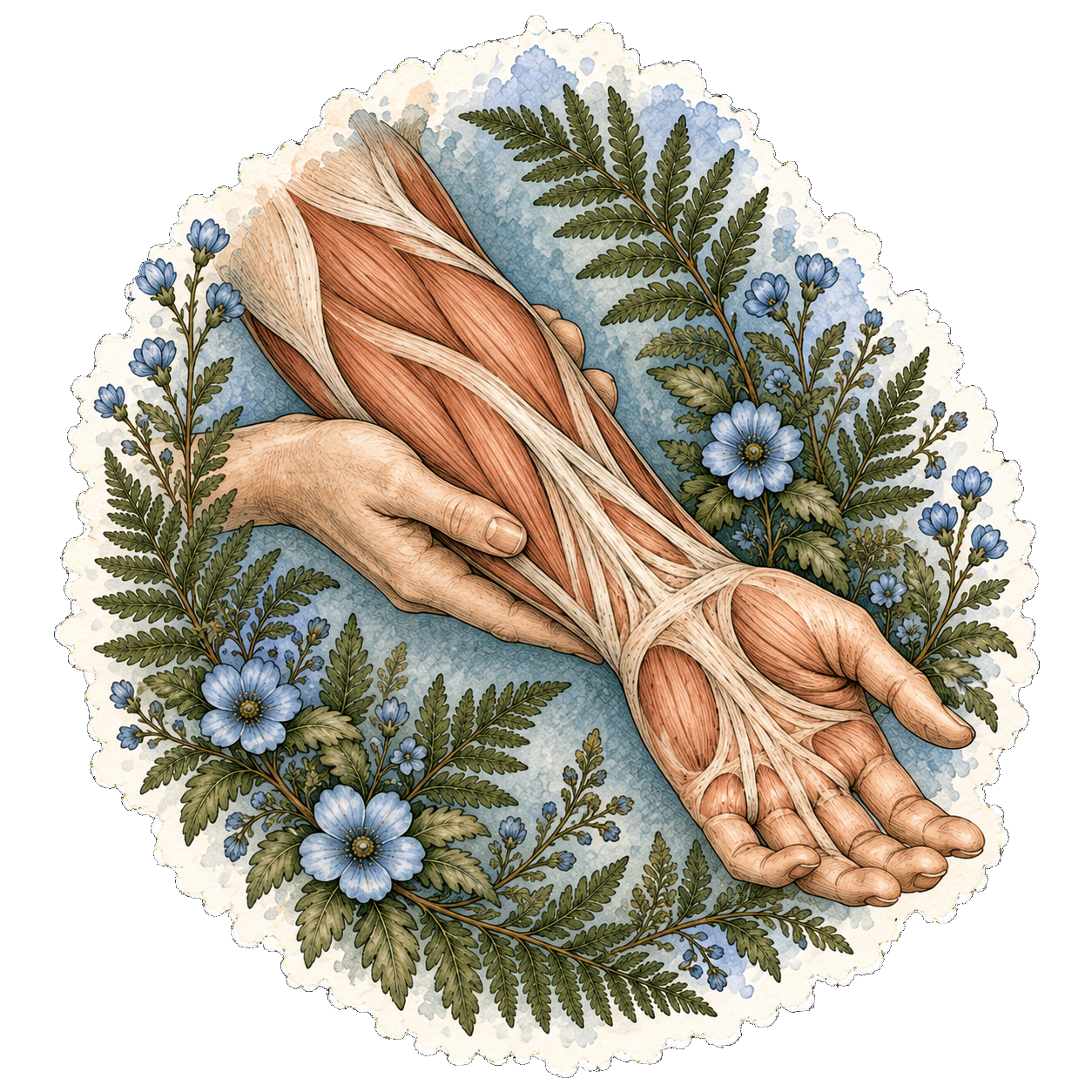
Watercolor illustration of a forearm and open hand supported by a practitioner's hand, with blue flowers and ferns

Tend

Focused Therapeutic Bodywork

Focused massage for muscle tension, stiffness, and the demands of everyday activity. Choose the areas that need attention, with pressure and movement shaped around you.

$150

60 min

$225

90 min

$300

120 min

$450

180 min

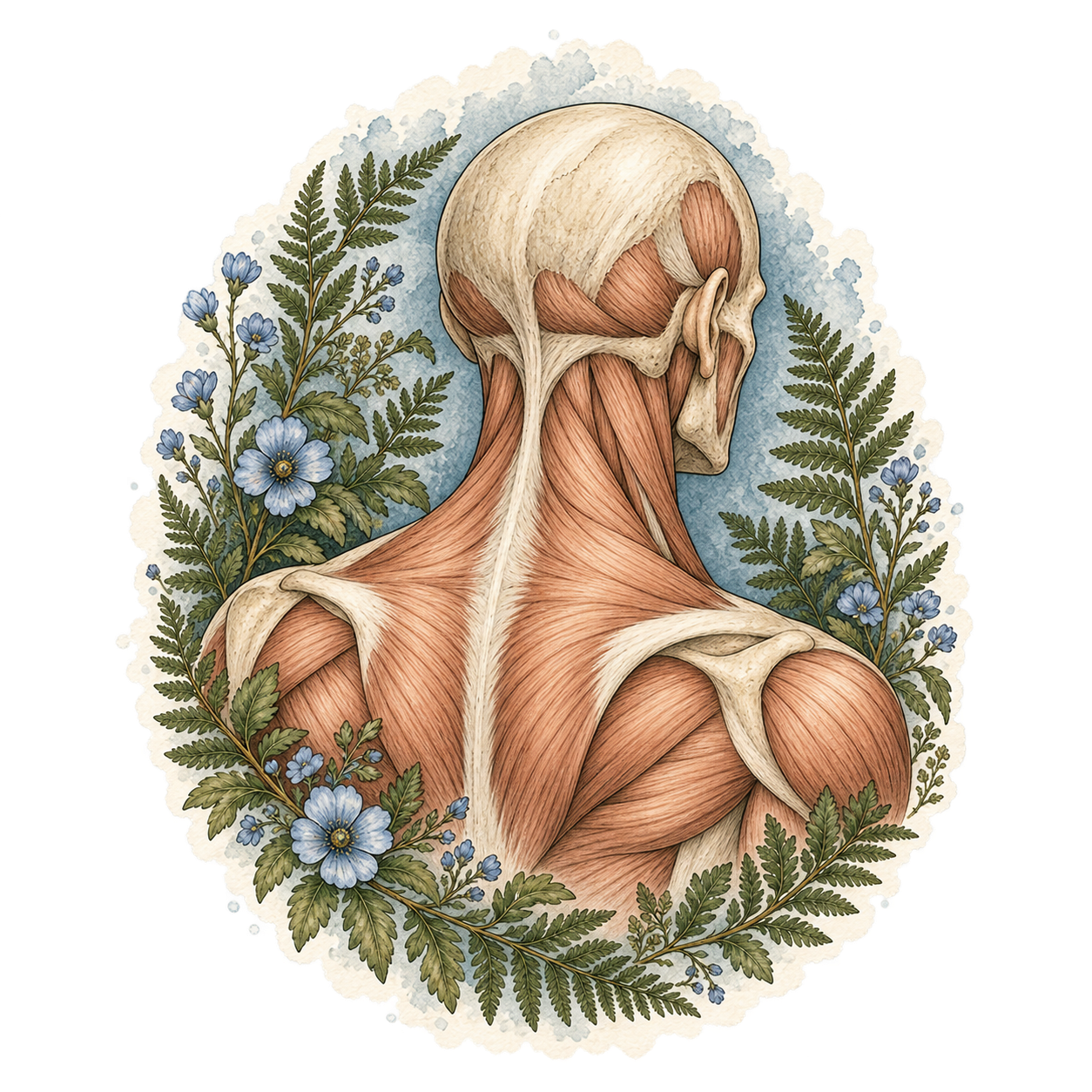
Watercolor illustration of the head, neck, and shoulder muscles with blue flowers and ferns

Tend

Head, Neck & Shoulder Care

Focused care for tension around the head, neck, shoulders, and upper back. Detailed bodywork and comfortable movement, shaped around the areas that need attention.

$150

60 min

$225

90 min

$300

120 min

$450

180 min

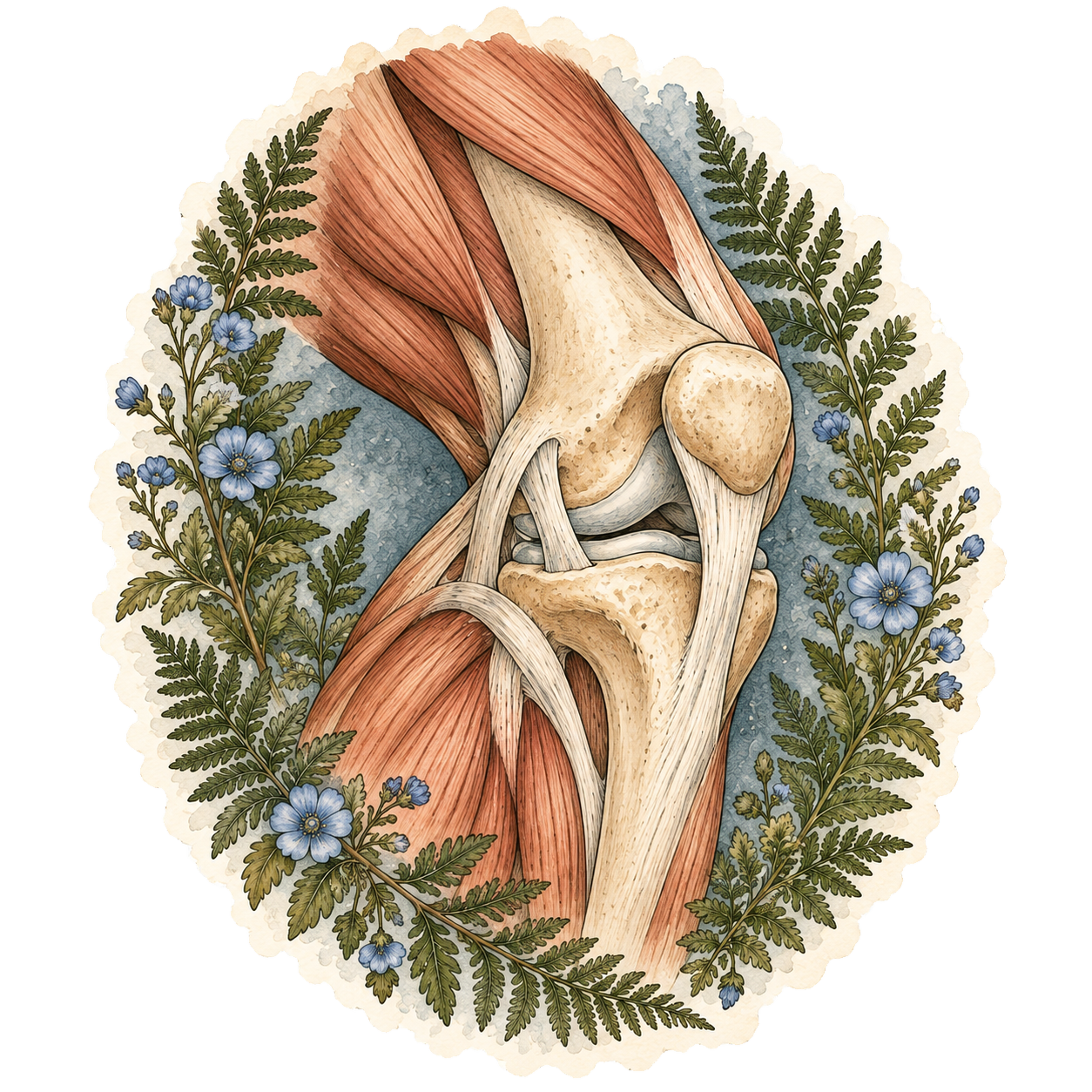
Watercolor and ink illustration of a knee joint, supporting tendons, and leg muscles framed by ferns and blue flowers.

Tend

Injury Recovery Support

Bodywork adapted to your stage of injury recovery, with attention to current limitations, surrounding areas, and the demands of returning to activities that matter to you.

$150

60 min

$225

90 min

$300

120 min

$450

180 min

A closer look

Receiving this approach.

How it may be used

The practitioner stabilizes one area while guiding another through an available range. The goal is to explore movement without bouncing, forcing, or treating discomfort as something to push through.

The pace, pressure, position, and duration are adjusted through ongoing consent and feedback.

What to expect

A stretch may feel like gentle lengthening or moderate effort, never sharp, electrical, unstable, or forced. The position can be reduced or ended immediately.

The work can be paused, changed, or stopped at any time.

Who it may support

It may be useful for people who want to explore flexibility, ease after activity, or how different positions feel. Changes in range are variable and do not by themselves show that a tissue or joint has been permanently changed.

Responses vary. This information is educational and does not replace medical assessment or care.

Thoughtful care

Care, context & considerations.

Safety & When to Pause

Stretching is modified or avoided with acute strains or sprains, recent surgery, unstable joints, fractures, severe osteoporosis, unexplained neurological symptoms, or medical restrictions. Hypermobility and joint replacements require particular care.

When symptoms are new, severe, unexplained, or changing quickly, medical evaluation comes before massage.

Scope & Evidence

This page is educational and does not diagnose, treat, or replace medical care. Research and individual responses vary across manual therapy approaches.

Wild Hart uses this technique only within current training, legal scope, informed consent, and the needs of the session.