Explore all experiences
Nervous System & Wellbeing

When Energy Is Limited

Low energy may have many causes and should not be reduced to a single bodywork explanation. Care can still respect the reality of limited capacity by using a slower pace, fewer demands, and enough room to receive without performing wellness.

Primary PATH
Pause
An adult sits at a kitchen counter while preparing a simple meal, with groceries nearby.
Understanding

Understanding this experience

Fatigue and low energy can influence attention, effort, rest, movement, and connection. Your practitioner begins with what you notice, how it affects daily life, and what would make receiving care easier today.

Gentle support when your body is asking for less effort and more restoration.

Recognition

You may recognize some of this.

  • Ordinary tasks require more recovery
  • Stimulation feels tiring
  • You need care that does not ask for extra effort
Ways to begin

Sessions to explore

A few ways to begin. Your session can be adapted around what matters to you.

Related techniques

Techniques that may support this care

Wild Hart’s approach

Care shaped around you

Wild Hart approaches fatigue and low energy with curiosity rather than treating one nervous-system state as the permanent ideal. Choice, predictability, communication, and time help shape a session that respects adaptation.

Possibility

How bodywork may help

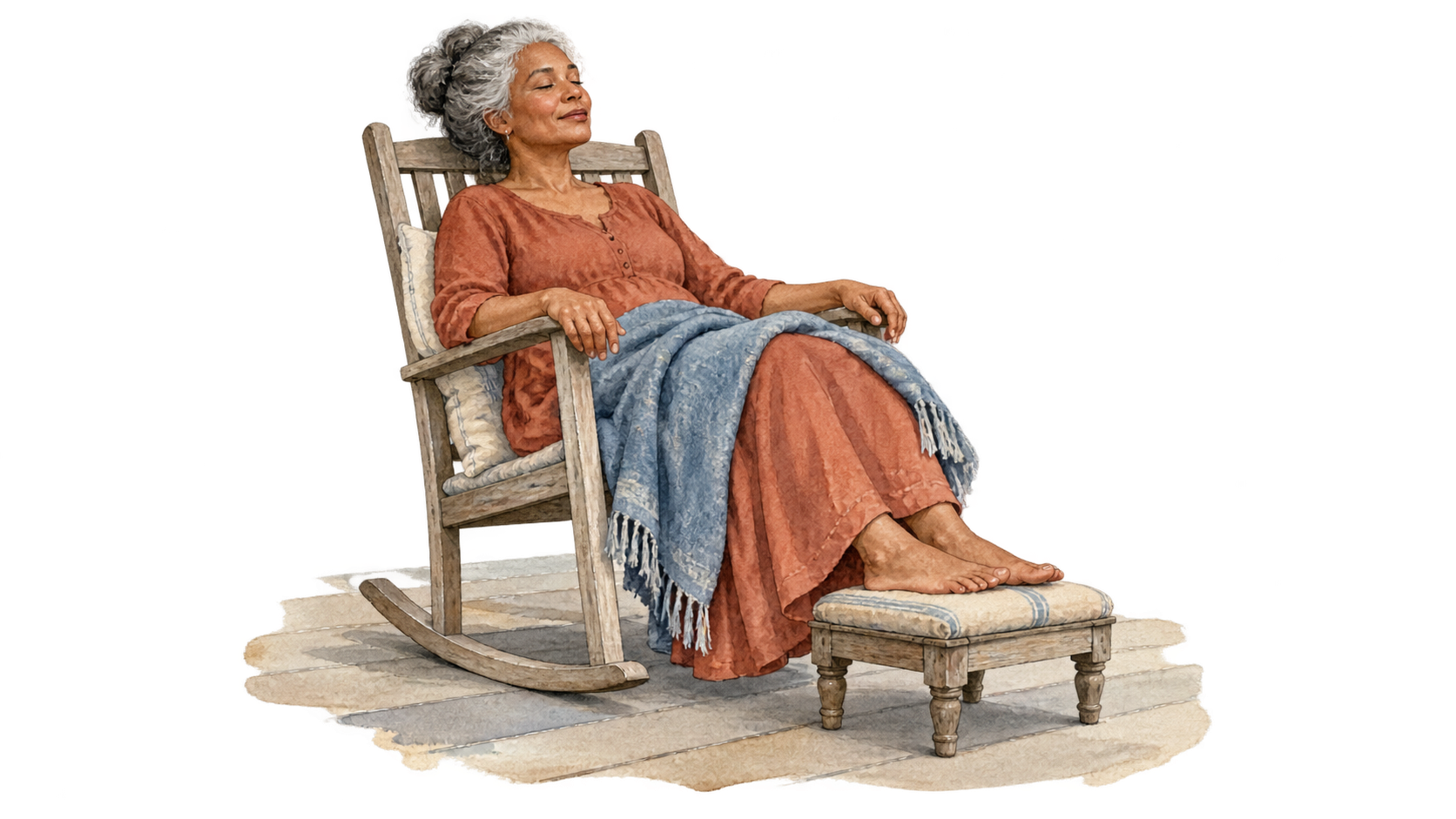
A restorative session may support rest by slowing the pace, reducing unnecessary demands, and offering a consistent environment for receiving. The aim is not to force calm, but to make more options available.

Together

What you might explore

  • What helps the body experience support without extra effort
  • Pace, position, temperature, pressure, and quiet
  • How rest differs from collapse, avoidance, or another task
Before your session

Important considerations

Practitioners

People who offer this care

Forest Hart

Core Team

Forest Hart

he/him

LMT-29159

Founder · Licensed Massage Therapist

Craniosacral, visceral, recovery, women’s health, and integration-focused care.