
Understanding
Understanding this experience
Caregiving can change time, routines, movement, and the space available for your own needs. Your experience is individual, even when others share a similar role.
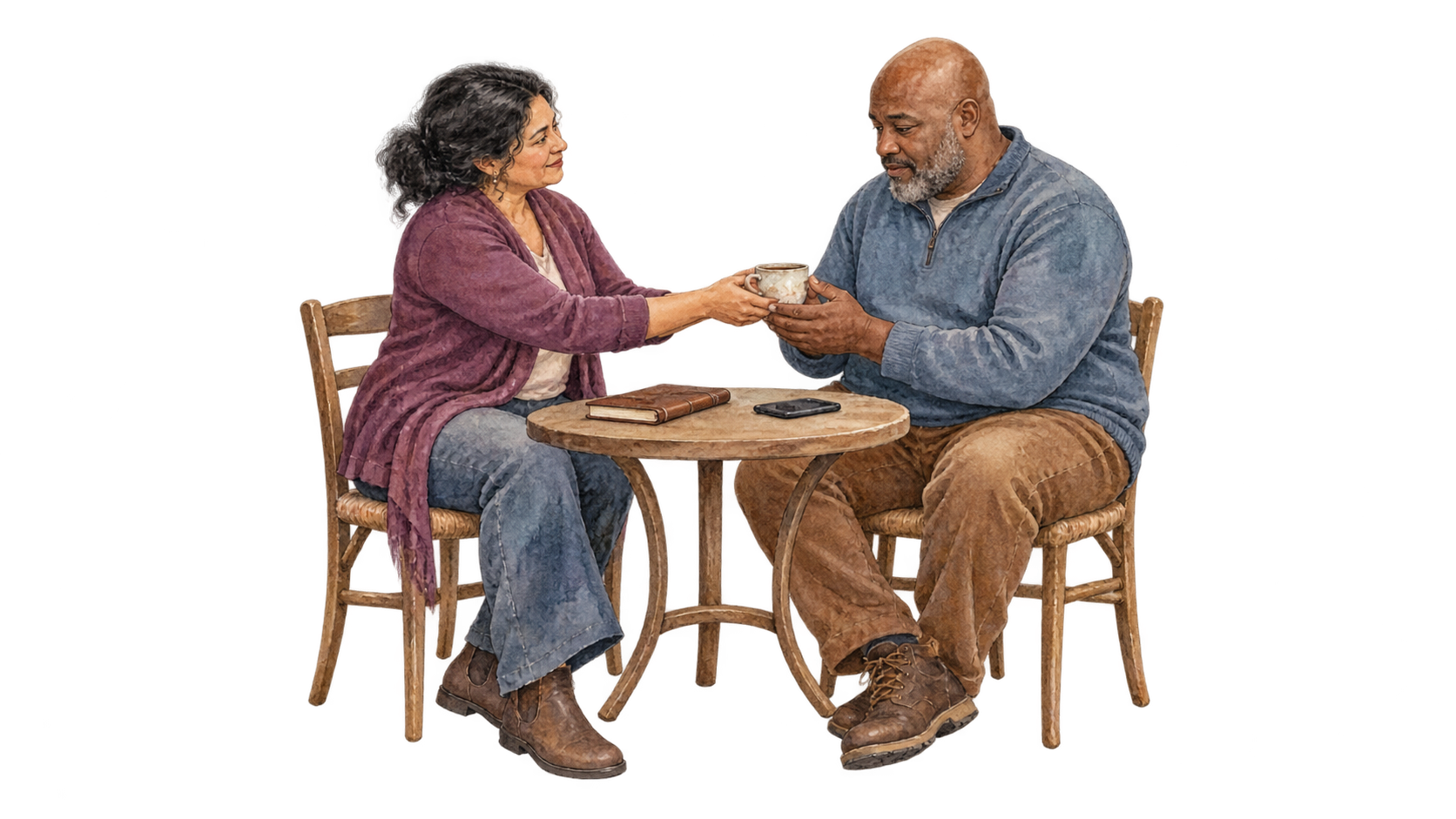
Caregivers often organize time, attention, and bodies around another person's needs. A session can make room for your own comfort and preferences without requiring you to stop caring or pretend the responsibility is simple.

Caregiving can change time, routines, movement, and the space available for your own needs. Your experience is individual, even when others share a similar role.
A few ways to begin. Your session can be adapted around what matters to you.


Hold
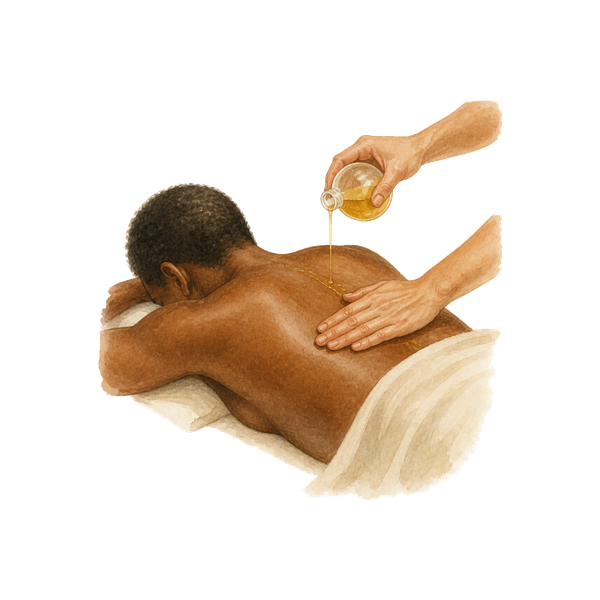
Bodywork for the person providing care, with attention to physical demands and time to rest from constant attentiveness. Your comfort becomes the focus.
$150
60 min
$225
90 min
$300
120 min
$450
180 min


Attune
An unhurried, flowing session centered on receiving care and attention. Make room for what you enjoy, without feeling responsible for conversation or anyone else’s comfort.
$225
90 min
$300
120 min
$450
180 min


Pause
Gentle, sustained touch with subtle movement and time to settle. A spacious session with minimal conversation, little or no lotion, and the option to remain clothed.
$225
90 min
$300
120 min
$450
180 min
We make room for your comfort and preferences without asking you to minimize the responsibility you carry. Touch, quiet, conversation, and pacing are chosen together.
Thoughtful touch may offer a collaborative experience of boundaries, communication, sensation, and receiving. Connection is invited rather than demanded, and choice remains with you throughout the session.