Explore all experiences
Embodiment & Self-Connection

Noticing the Language of Your Body

Begin with simple observations: where you feel supported, how much effort a movement takes, or whether a change in pressure feels more comfortable. You do not need special vocabulary or constant attention to your body.

Primary PATH
Attune
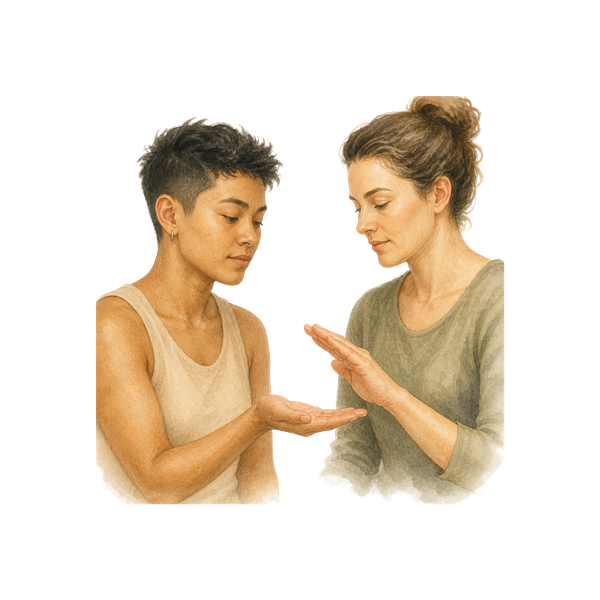
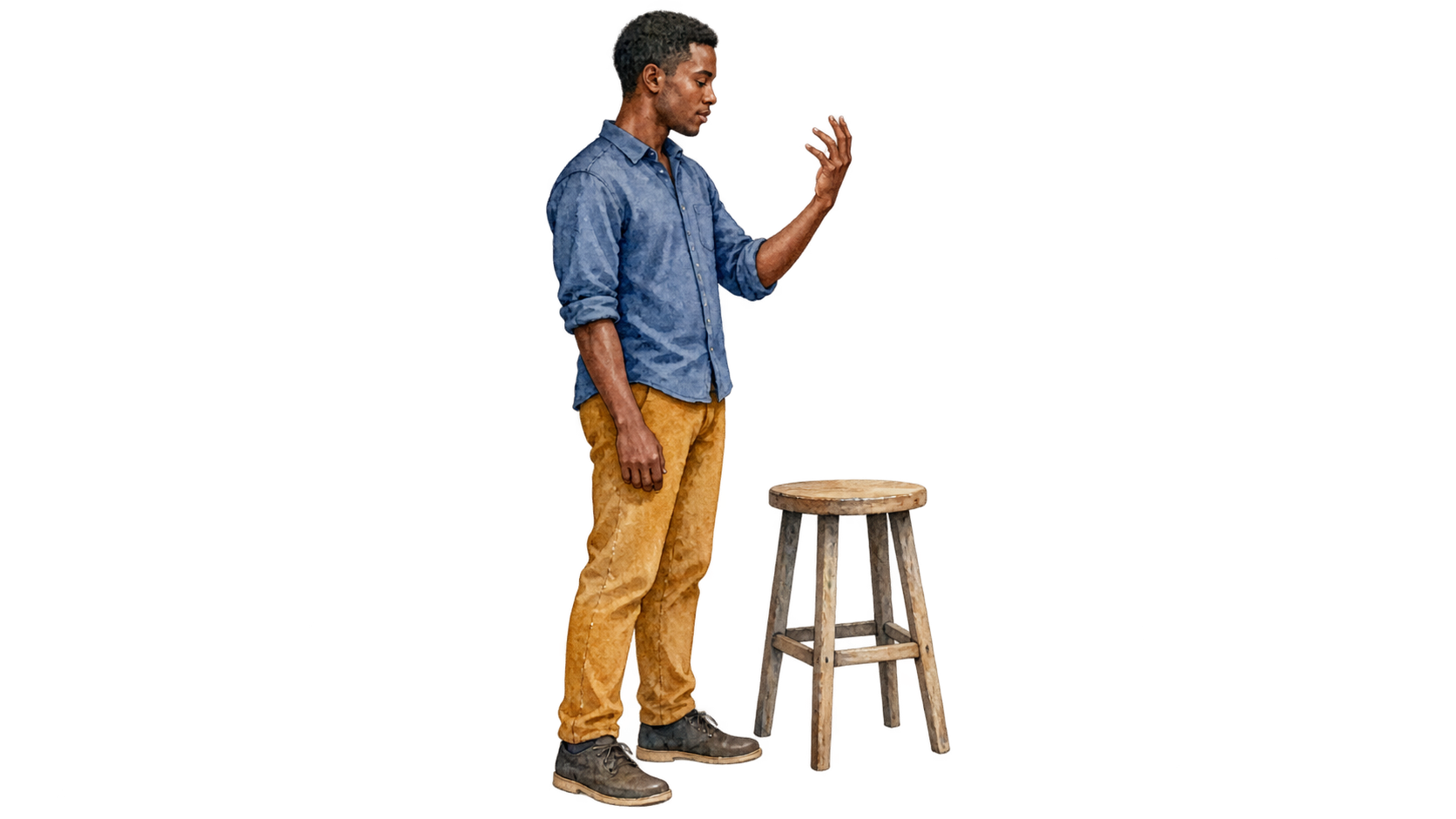
An adult stands beside a stool and looks at the fingers of one raised hand.
Understanding

Understanding this experience

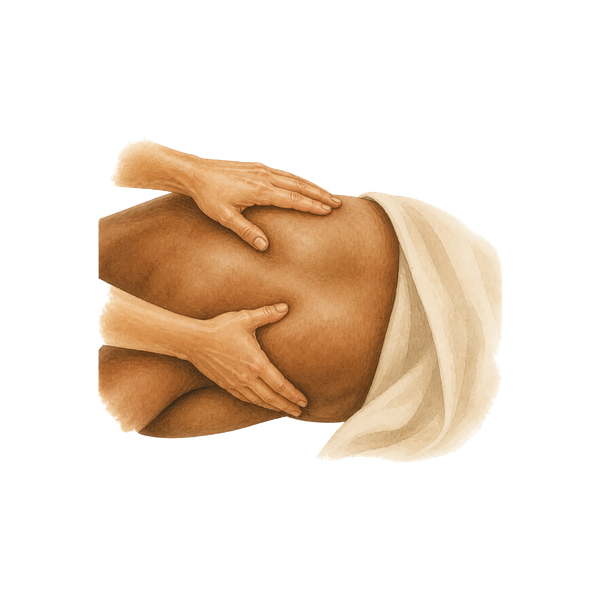
Body awareness can be an ordinary, concrete practice. During a session, you might compare two positions, notice the contact of the table, or pause to decide whether you want more or less pressure.

You can keep these observations private or talk them through. There is no correct sensation to find. If describing what you notice feels difficult, explore Learning the Language of Your Body. For a broader sense of presence and connection, see Embodiment.


Recognition

You may recognize some of this.

  • You notice needs only after they become urgent
  • Movement happens mostly on autopilot
  • You want clearer information without becoming hyperfocused
Ways to begin

Sessions to explore

A few ways to begin. Your session can be adapted around what matters to you.

Related techniques

Techniques that may support this care

Our approach

Care shaped around you

We treat body awareness as an exploration rather than a performance. Attention is shared, observations remain provisional, and the client decides what language, touch, or movement feels meaningful.

Possibility

How bodywork may help

Bodywork may create a clear setting for noticing sensation, movement, boundaries, and response. Observations are offered as invitations, helping you build understanding without assigning one fixed meaning to the body.

Together

What we might explore

  • Sensation, movement, breath, and the language you use for them
  • The difference between attention, monitoring, and overwhelm
  • How observations can expand choice without becoming verdicts
Before we begin

Important considerations