Explore all experiences
Life Transitions

Finding Your Way Back to Yourself

Periods of stress, caregiving, change, illness, or disconnection can make your own needs feel distant. Returning to yourself is not about recovering a perfect former version; it is about listening for what is present and meaningful now.

Primary PATH
Attune
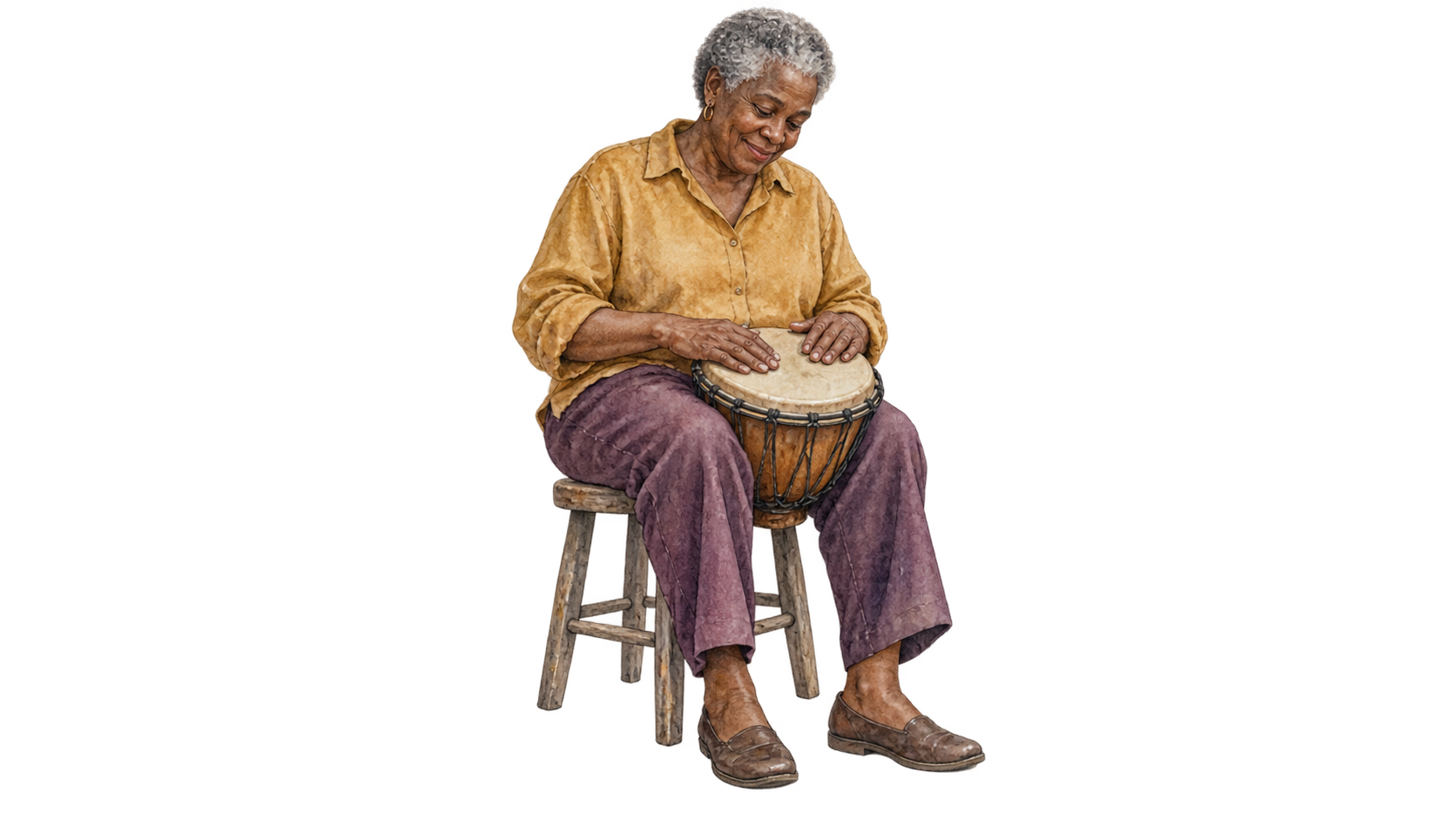
An older adult sits on a stool with both hands resting on a small drum.
Understanding

Understanding this experience

Returning to yourself can change the felt shape of ordinary life. The body may register uncertainty, responsibility, memory, or meaning before those experiences are easy to explain.

Support when you want to feel more present, connected, and recognizable to yourself again.

Recognition

You may recognize some of this.

  • Your preferences feel harder to hear
  • Life has required sustained adaptation
  • You want to feel more present in your own experience
Ways to begin

Sessions to explore

A few ways to begin. Your session can be adapted around what matters to you.

Related techniques

Techniques that may support this care

Our approach

Care shaped around you

With returning to yourself, the practitioner offers steadiness without becoming the author of the experience. Touch, quiet, conversation, and pacing are shaped around what supports presence and agency today.

Possibility

How bodywork may help

Thoughtful touch may offer a collaborative experience of boundaries, communication, sensation, and receiving. Connection is invited rather than demanded, and choice remains with you throughout the session.

Together

What we might explore

  • Boundaries, communication, and the pace of receiving
  • Sensations or preferences that are easier or harder to notice
  • What supports a more compassionate relationship with yourself
Before we begin

Important considerations