
Understanding
Understanding this experience
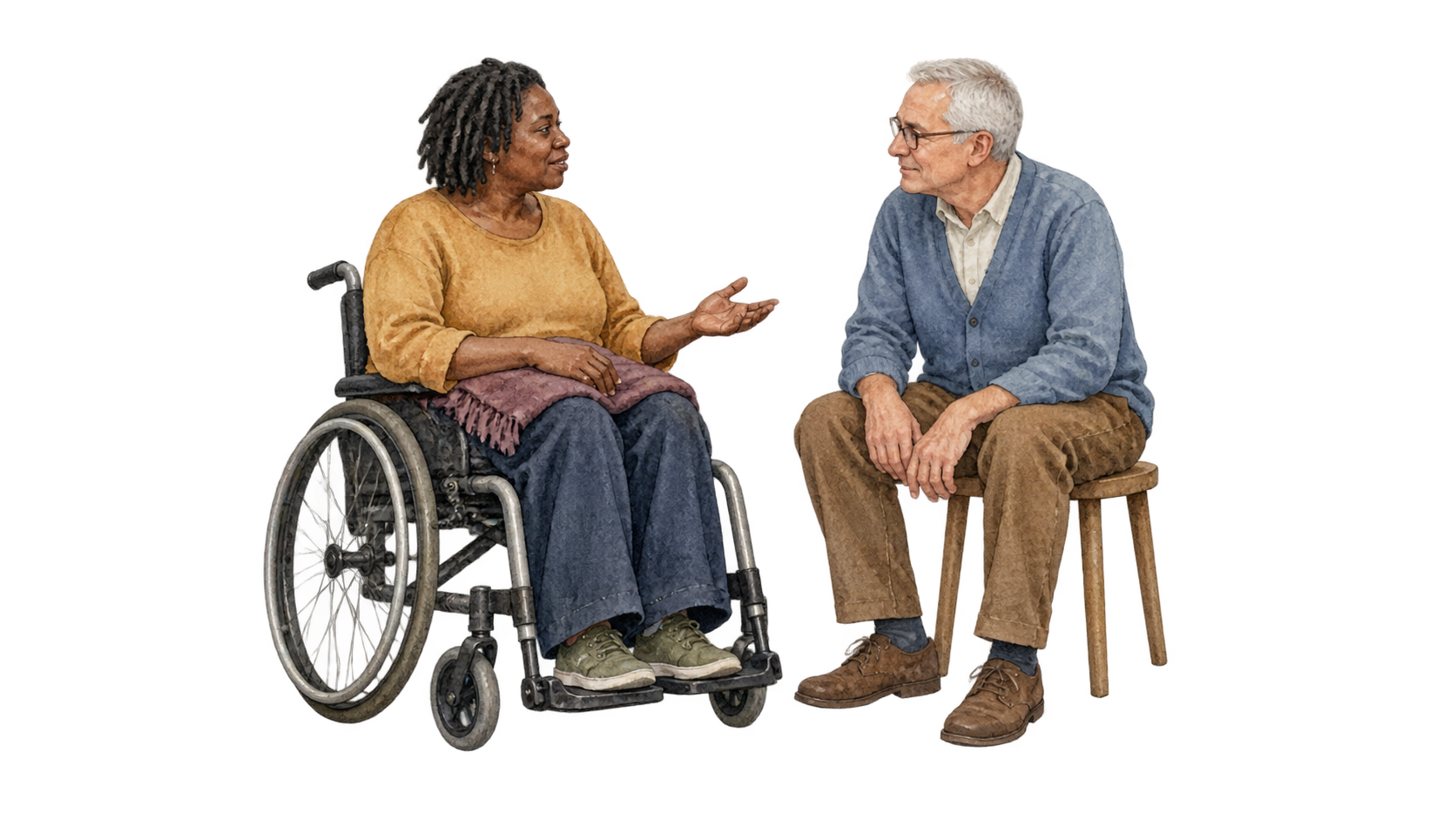
Neurodivergent people do not share one set of sensory needs, communication preferences, or experiences of touch. Care begins with the individual rather than assumptions about a category.
People differ in sensory processing, communication, attention, movement, and the amount of predictability or interaction that feels supportive. A session can be adapted through explicit choices, quieter pacing, direct language, and permission to communicate in the way that works for you.

Neurodivergent people do not share one set of sensory needs, communication preferences, or experiences of touch. Care begins with the individual rather than assumptions about a category.
A few ways to begin. Your session can be adapted around what matters to you.


Attune
Tender, nurturing bodywork with room for choice, trust, and changing your mind. Receive attentive care at a pace we choose together.
$225
90 min
$300
120 min
$450
180 min


Pause
Gentle, sustained touch with subtle movement and time to settle. A spacious session with minimal conversation, little or no lotion, and the option to remain clothed.
$225
90 min
$300
120 min
$450
180 min

Attune
Steady contact, broad compression, and comfortable support, often through clothing. Explore the pressure and optional weight you enjoy, with time to rest and adjust.
$150
60 min
$225
90 min
$300
120 min
$450
180 min
We ask about communication, sensory preferences, predictability, and anything that would help you participate comfortably. Your own account of what works for you guides the conversation.
Bodywork may create a clear setting for noticing sensation, movement, boundaries, and response. Observations are offered as invitations, helping you build understanding without assigning one fixed meaning to the body.