

Guide
Craniosacral Therapy: Light Touch, Choice, and Rest
Explore craniosacral therapy as a form of light-touch bodywork, including what a session may feel like, individual response, and the limits of its claims.
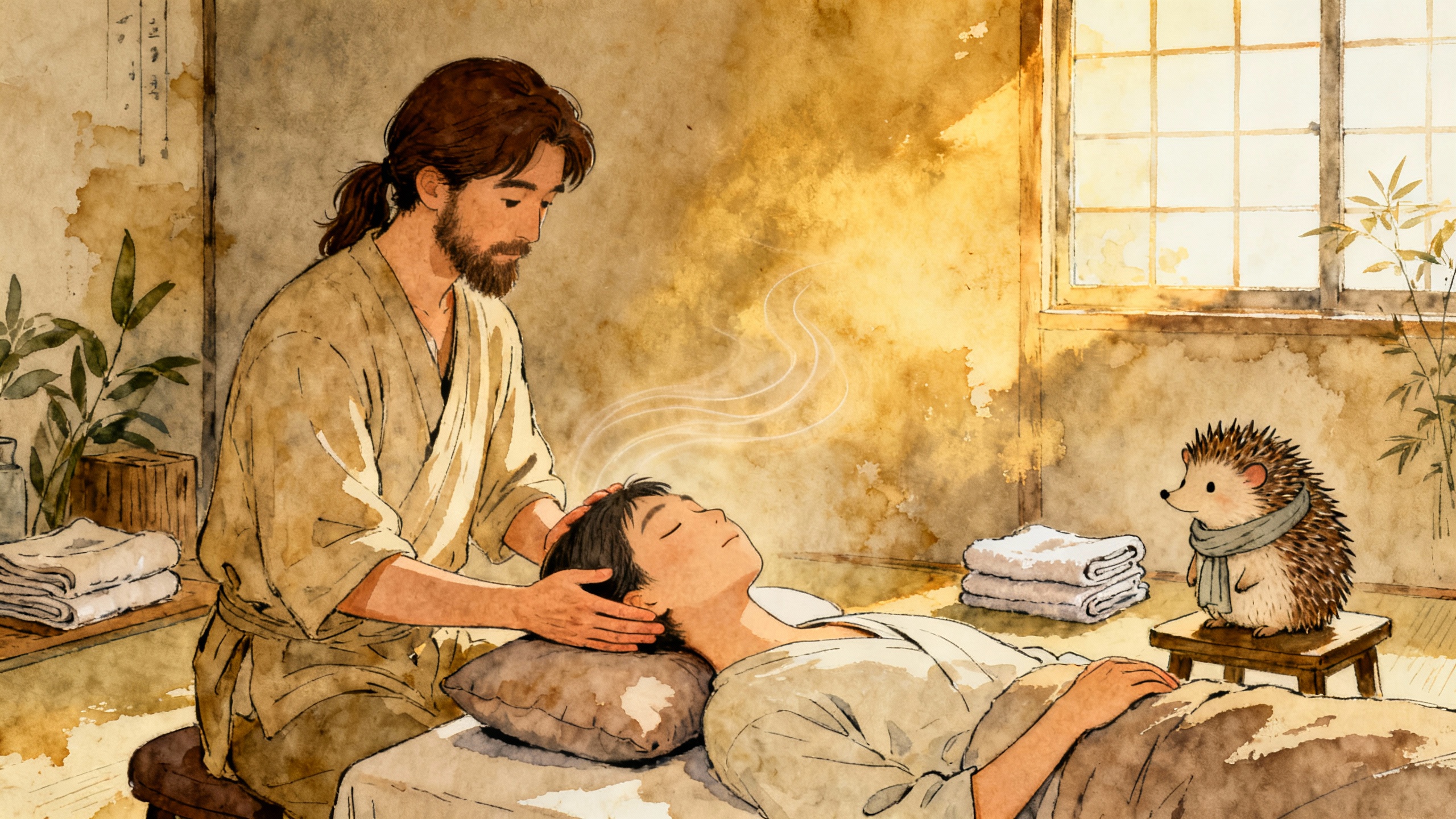
Some people come to massage wanting focused pressure. Others are curious about quiet contact and a slower pace. Craniosacral therapy is one name for a form of light-touch bodywork that may fit that preference.
What is craniosacral therapy?
Practitioners use light, sustained contact, often around the head, spine, or sacrum. The work may involve little visible movement. Different training traditions describe it in different ways.
Its proposed mechanisms should not be treated as established medical facts. At Wild Hart, careful contact does not come with a claim to move cranial bones, change cerebrospinal fluid, or treat neurological disease.
What might you notice?
You might notice warmth, pressure, quiet, or a change in attention. You might not notice much at all. No sensation is required, and an experience should not be interpreted for you.
If you prefer a different kind of touch, want to change position, or would like more conversation, you can say so. Stillness is an option rather than a task to perform correctly.
How does it fit within care?
The direction of a session begins with your experience, preferences, and consent. Light-touch work may be considered alongside other approaches when appropriate to the practitioner and the session.
Bodywork remains one form of support. It does not establish the cause of symptoms or replace medical care. Your questions about the approach and its limits are welcome.
Room for a quieter conversation
The quiet quality of this work can make room to pay attention. That is a modest invitation: to notice what is present, communicate what matters, and choose what feels useful.
Read more about craniosacral therapy, or bring a question to Wild Hart.